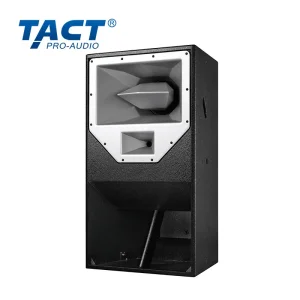
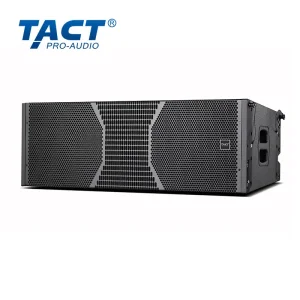
Engineered for maximum acoustic coherence, long-throw precision, and severe environments in key South African commercial and architectural venues.
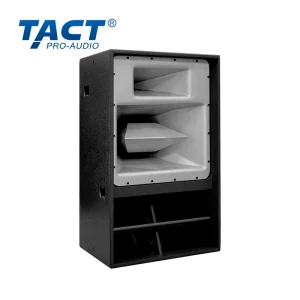
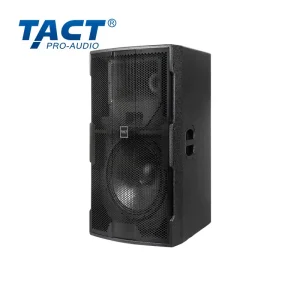
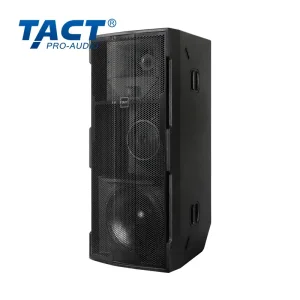
A Technical Whitepaper on Professional Sound Reinforcement, Architectural Standards, and Environmental Considerations.
South Africa’s commercial, entertainment, and public sectors are experiencing a massive paradigm shift in acoustic design. In major metro areas like Gauteng (Johannesburg and Pretoria), the Western Cape (Cape Town), and KwaZulu-Natal (Durban), architectural demands for multi-use infrastructure have created an urgent need for highly controllable sound reinforcement systems. Large-scale worship spaces, municipal sports arenas, transportation hubs, and outdoor eco-tourism estates require audio coverage that maintains high speech intelligibility and dynamic music reproduction over vast distances.
Unlike traditional two-way designs, remote three-way speakers provide dedicated transducers for low, mid, and high frequencies. This configuration separates critical vocal ranges from heavy low-end bass and sharp high-frequency harmonics, minimizing phase cancellation and optimizing acoustic output. The "remote" component—integrating network-accessible Digital Signal Processing (DSP) and active telemetry—allows audio engineers to tune, monitor, and configure parameters from central control booths, compensating for real-time changes in humidity, wind direction, and crowd density.
How remote three-way systems address complex physical environments, phase alignment, and remote calibration protocols.
The critical acoustic advantage of a three-way speaker system lies in the optimization of the midrange transducer. By delegating the 300 Hz to 3 kHz spectrum to a dedicated, horn-loaded midrange driver, the system avoids the intermodulation distortion common in two-way speakers. This design is crucial for reproducing the human voice with clinical precision, a prerequisite for educational theaters, legal councils, and large corporate assemblies in South Africa.
Remote DSP and Network Telemetry: Modern implementations incorporate network protocols (such as Dante, Milan, or AES67) directly into the amplifier modules. This allows systems engineers to access remote configurations, utilizing Finite Impulse Response (FIR) filtering to achieve linear phase response across all frequencies. Real-time diagnostic metrics—including temperature tracking, voice coil impedance checking, and signal clipping prevention—protect the equipment from electrical damage, making it highly reliable under demanding operational conditions.
Weatherproofing and Marine Protection: For coastal cities like Durban and Cape Town, speaker systems are vulnerable to saline corrosion and high relative humidity. Manufacturers targeting this region must implement marine-grade plywood cabinets, polyurethane polyurea outer coatings, hydrophobic grille cloths, and stainless steel hardware.
Learn about TACT Pro Audio (TACA Pro Audio) — built on over two decades of technical expertise and acoustic research.
Established in 2010, TACA Pro Audio (TACT Pro Audio) was founded by industry pioneers Mr. Qiu and Mr. Li, who have been active as specialized research engineers in the professional audio sector since 1999. Backed by more than 20 years of technical expertise, Qiu and Li continue to guide the TACT engineering team towards advancements in transducer designs, active amplification modules, and remote control protocols.
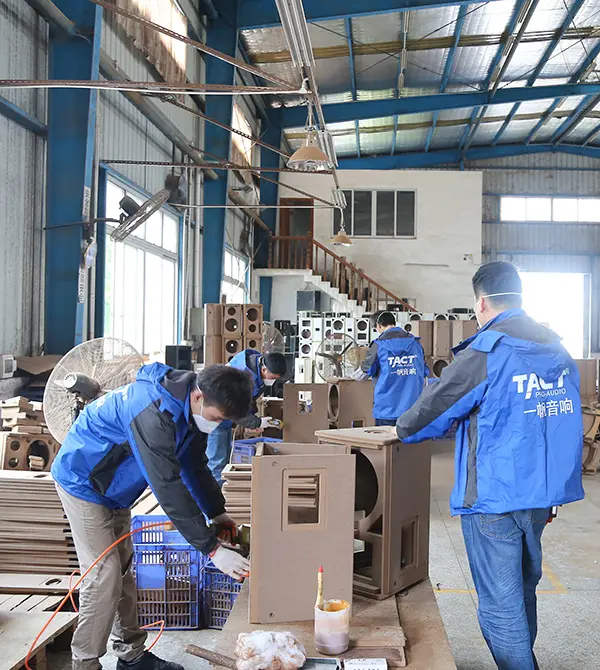
Our modern manufacturing facility covers an area of more than 18,000 square meters. To maintain control over product quality, we operate our own specialized speaker cabinet production workshop, polishing facilities, dust-free paint spraying lines, and dedicated electro-acoustic testing rooms. Our corporate headquarters features a comprehensive product showroom, a KTV acoustic simulation room, and dedicated export logistics divisions to support our international client base.
Request Factory Tour Details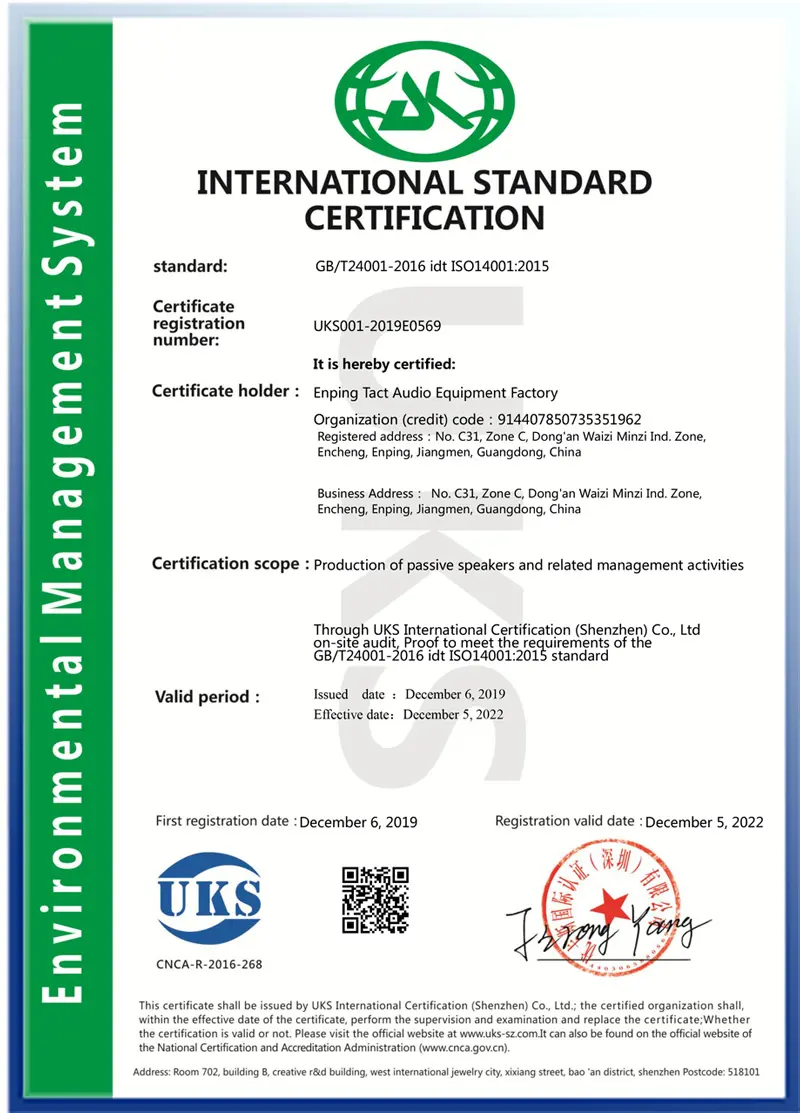
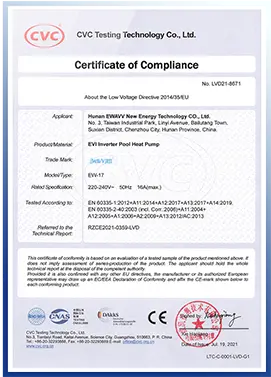
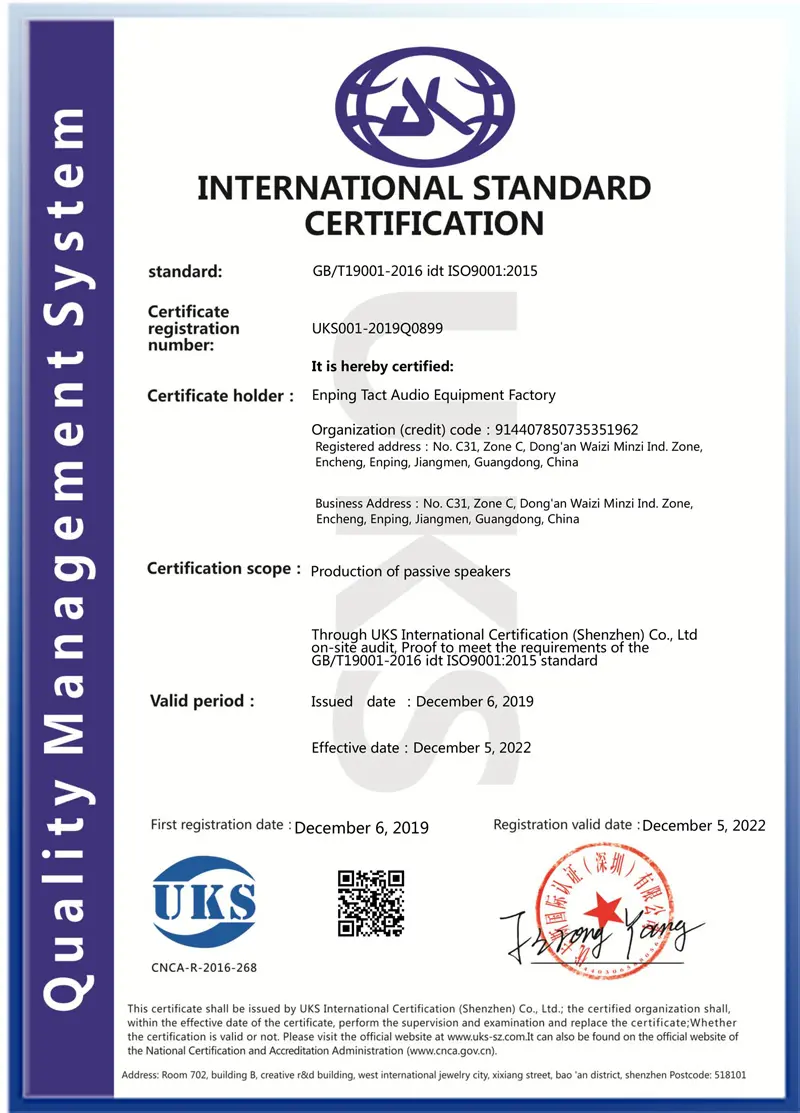
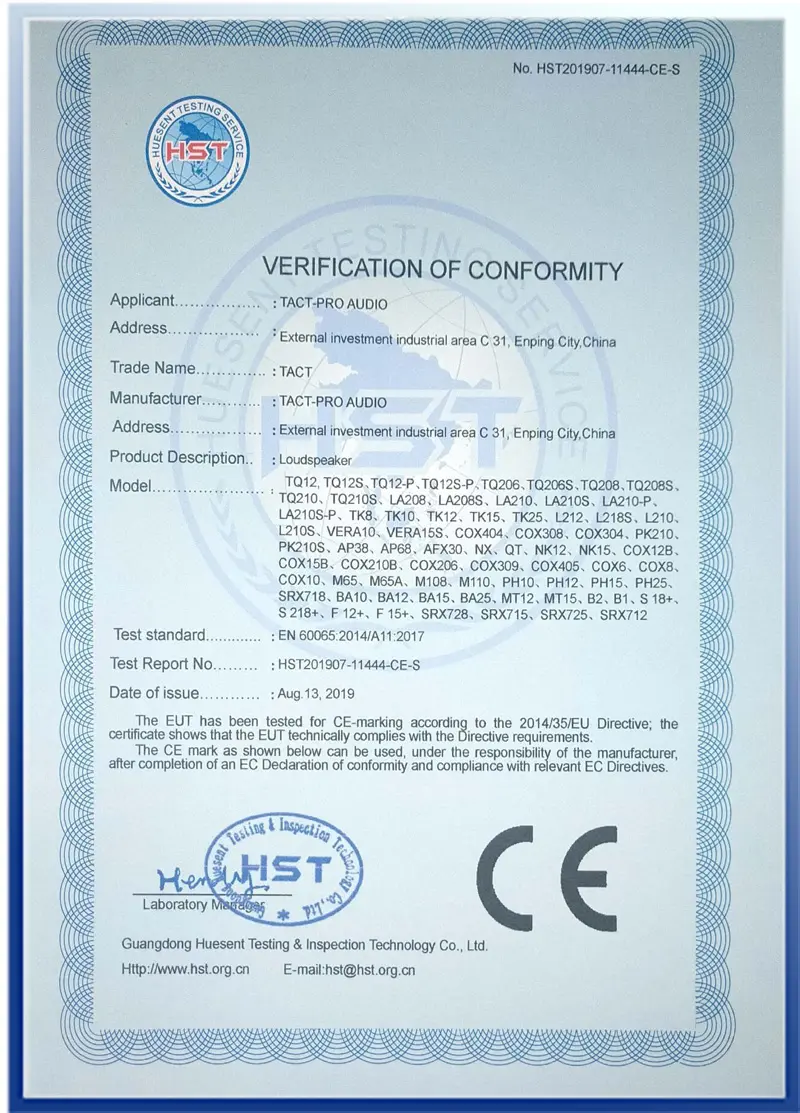
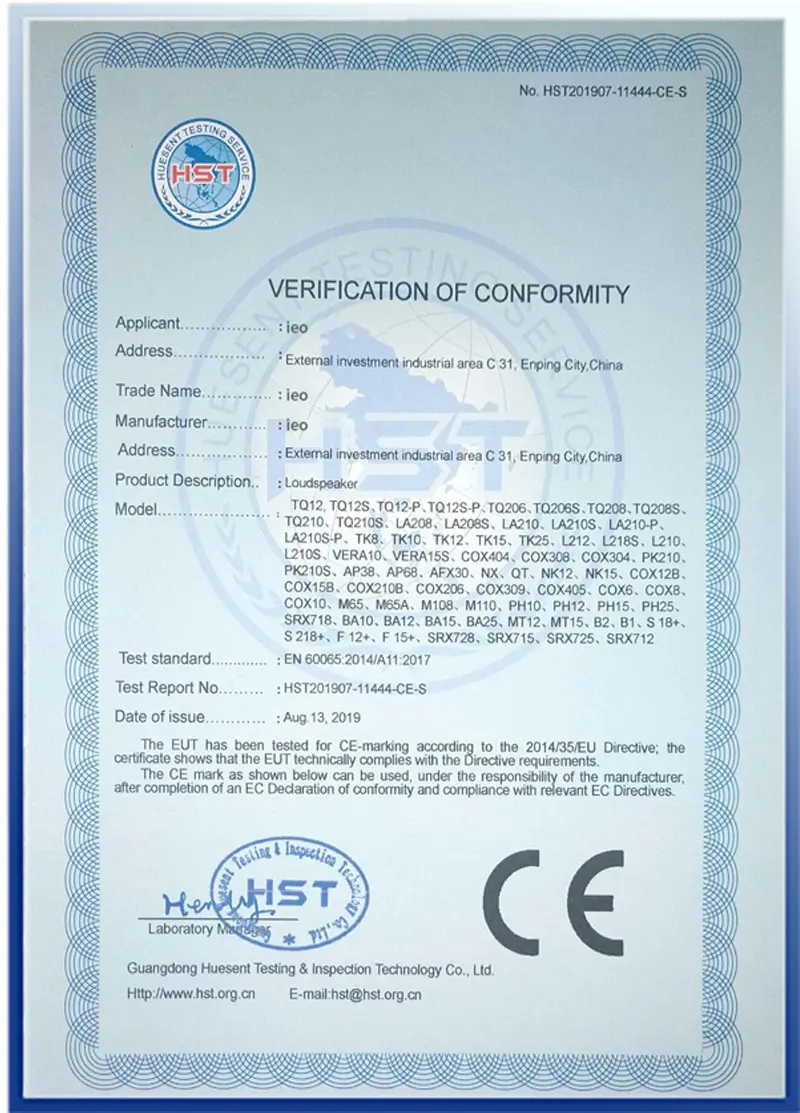
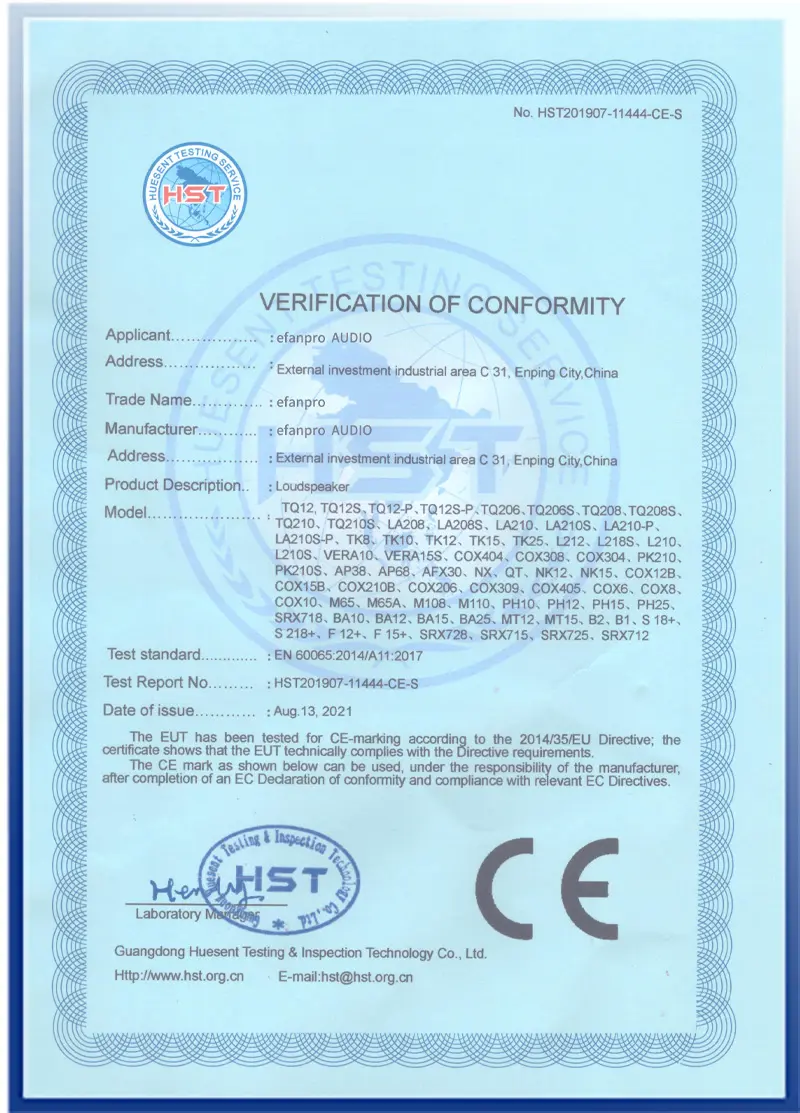
Translating acoustic demands into high-performance industrial audio products.
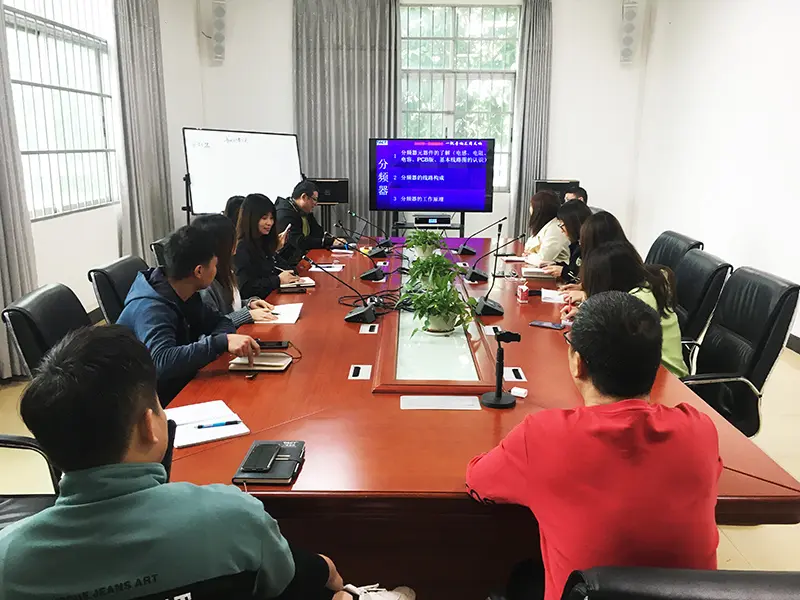
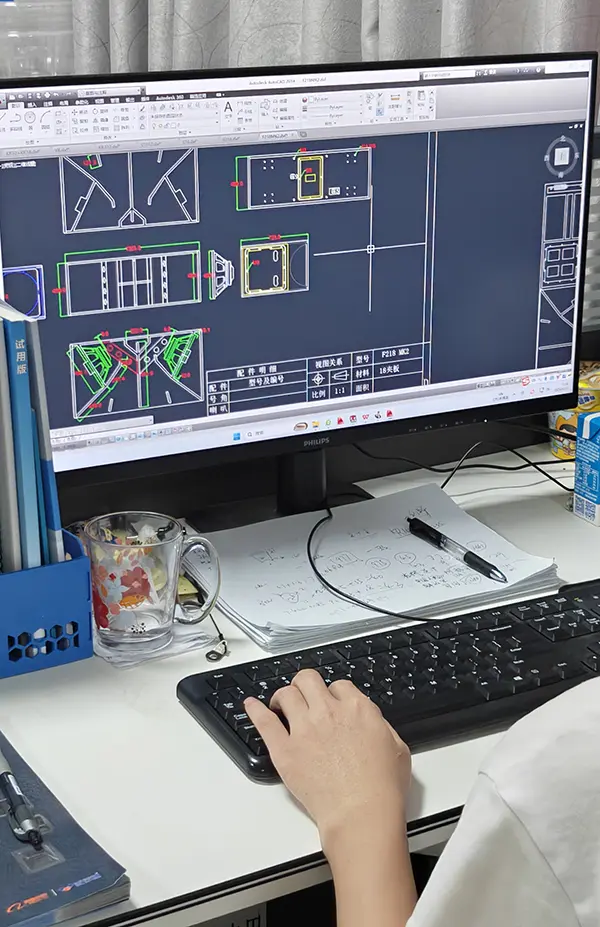
We offer full OEM and ODM services, covering initial speaker enclosure design, custom voice coil engineering, active DSP programming, and rigorous QC testing before dispatch. Our technical team delivers tailormade solutions based on venue size, layout constraints, audience capacity, and budgetary guidelines.
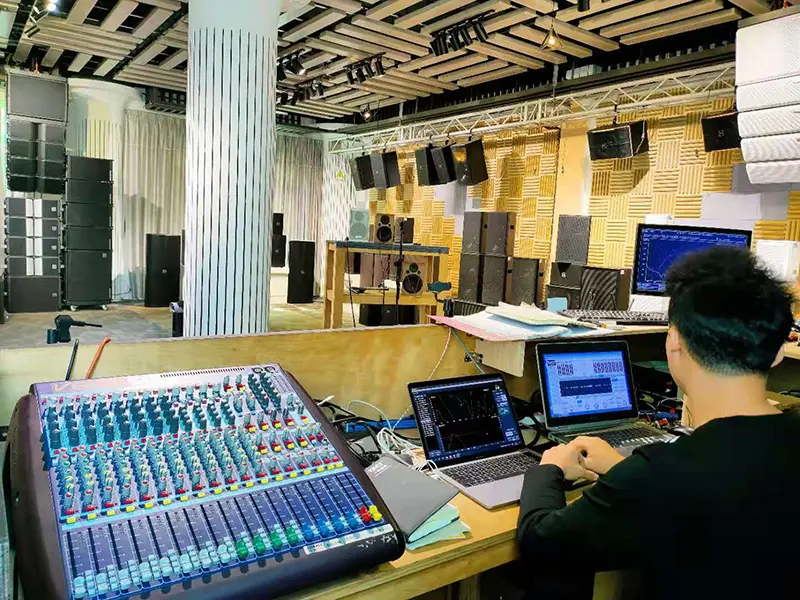
Our vision is to remain a service-oriented manufacturer of professional sound systems. By focusing on changing technology trends—including networked audio, smart DSP control, and active power management—we aim to provide reliable, efficient, and robust audio systems to markets worldwide.
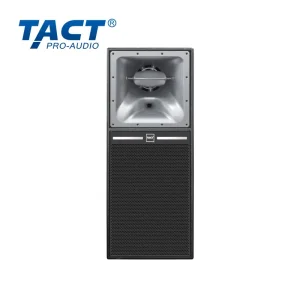
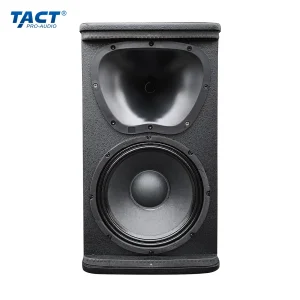
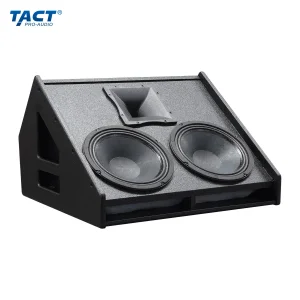
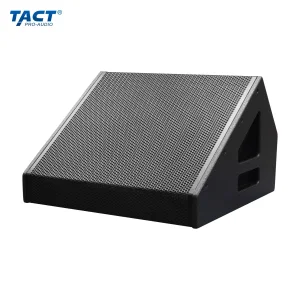
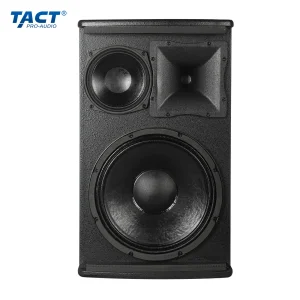
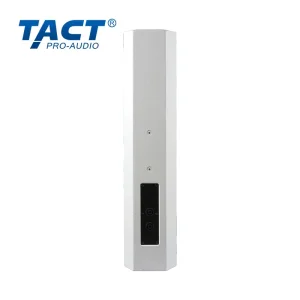
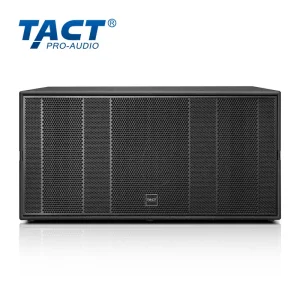
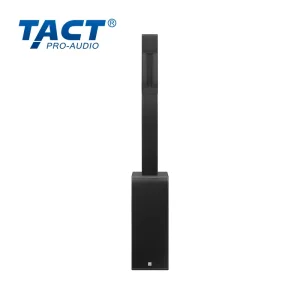
A comprehensive range of passive and active systems for live events, monitoring, line arrays, and sub-bass applications.
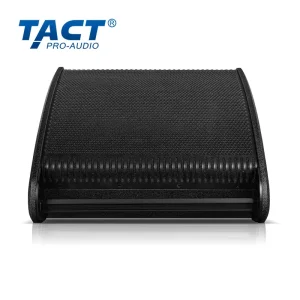
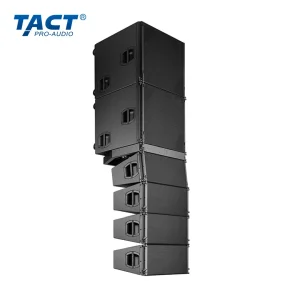
A comprehensive procurement guide covering technical standards, custom configurations, and shipping frameworks.
Procurement officers in South Africa must prioritize technical quality and product reliability over low initial cost. When sourcing three-way remote systems, check that the manufacturer maintains dedicated component testing divisions. This includes transducer sweep tests to identify resonance anomalies, climatic chamber testing for moisture resistance, and continuous 48-hour high-power thermal aging runs to ensure stability under heavy use.
By working with a factory that manages the cabinet building, painting, and electronics assembly in-house, sourcing agents can request customizations. These include custom rigging brackets, specific horn dispersion patterns (e.g., 90° x 50° vs 60° x 40°), and custom branding/cabinet colors to meet project-specific interior design layouts.
Shipping professional audio equipment to South Africa requires attention to logistics timelines and customs compliance. Shipments to major maritime entry points, such as the Port of Durban, Port of Cape Town, or Port Elizabeth, require complete documentation. This includes detailed commercial invoices, packing lists with net/gross weights, certificates of origin, and compliance certifications (such as CE, RoHS, and local SABS safety declarations).
Our sales and logistics divisions assist buyers through the shipping process. We offer FOB, CIF, or DDP terms, along with robust packaging designs like custom flight cases or reinforced export cartons with internal molded foam cushioning. This prevents structural or cosmetic damage during maritime transport.
Expert engineering answers to common installation, design, and purchasing questions for the South African market.
Partner with a professional manufacturer to secure high-performance, cost-effective OEM/ODM audio systems for your next commercial project. Contact our engineering and export team today for technical data, pricing, and system layout design.
Send Inquiry Now TACT Pro Audio