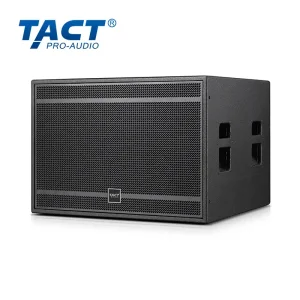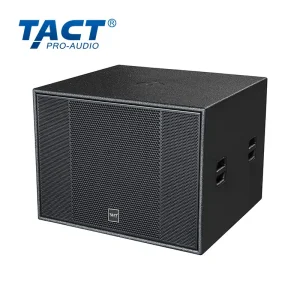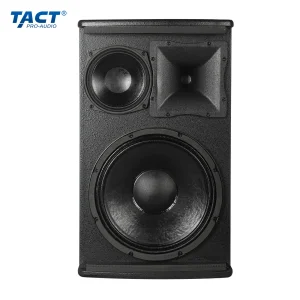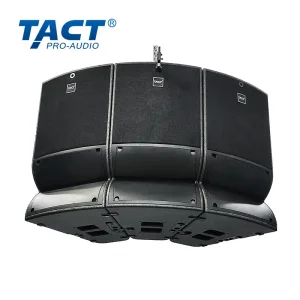
Acoustic feedback, commonly characterized as high-pitched howling, is one of the most persistent hurdles in indoor sound reinforcement. In a high-gain environment like a Karaoke television (KTV) room or private dining lounge, microphone signals are continuously captured, amplified, and re-emitted by the speakers. When the acoustic gain of the loop exceeds unity at specific resonant frequencies, destructive howling instantly manifests.
To defeat this phenomenon, modern system integration demands more than simple software notch-filtering. True anti-howling efficiency begins with cabinet layout geometry and mechanical transducer alignment. By optimizing the crossover network and employing advanced phase-inversion damping designs within the speaker housing, TACT engineers ensure that direct sound waves from the high-frequency horn do not couple directly back to microphone pickup zones. This structural attenuation maximizes the pre-feedback gain threshold by up to 6–9dB.
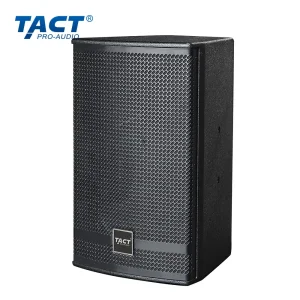
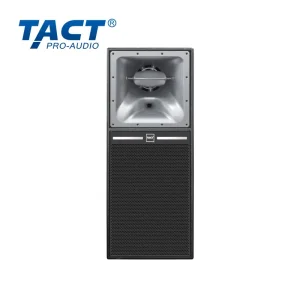
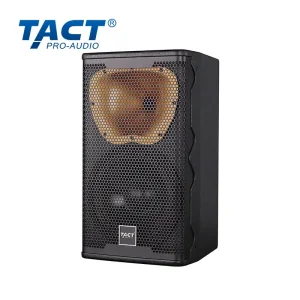
Understanding these physical constraints allows us to tailor speaker dispersion characteristics. Using asymmetric constant-directivity horns, our KTV speaker designs focus acoustic energy precisely on the listener plane while significantly reducing wall and ceiling reflections. This spatial targeting isolates the sound field, preventing loop escalation.
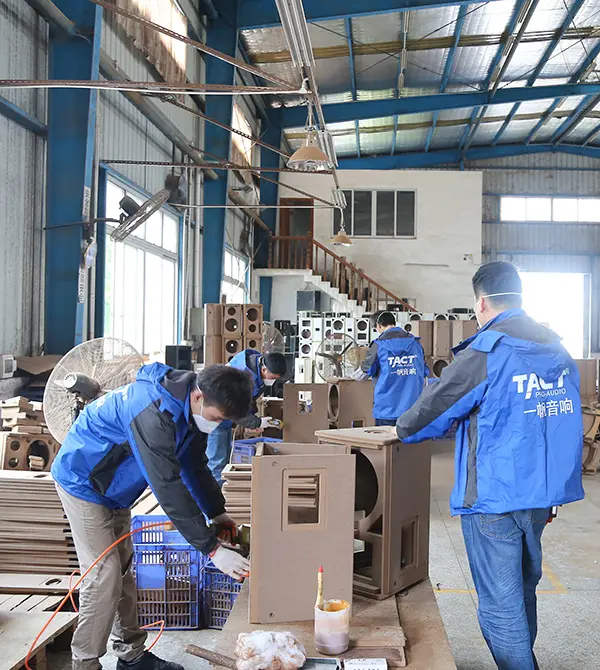
Strategic geographic location, specialized components supply chain, and highly automated production processes drive competitive differentiation.
Located in the heart of professional audio manufacturing hubs, we source premium voice coils, high-strength birch plywood, and custom cone diaphragms within an ultra-short radius. This guarantees optimized lead times and stable cost controls for raw materials.
Our 18,000+ sqm manufacturing facility implements strict quality inspections at every step. From raw MDF or plywood cutting, precision sanding, automated painting, to final voice coil thermal sweep tests, each batch is thoroughly validated before shipping.
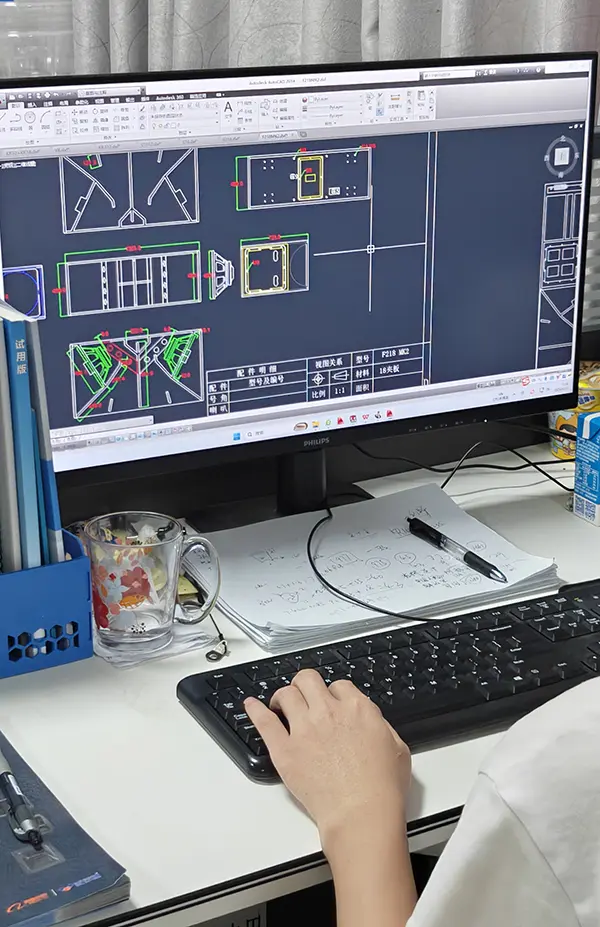
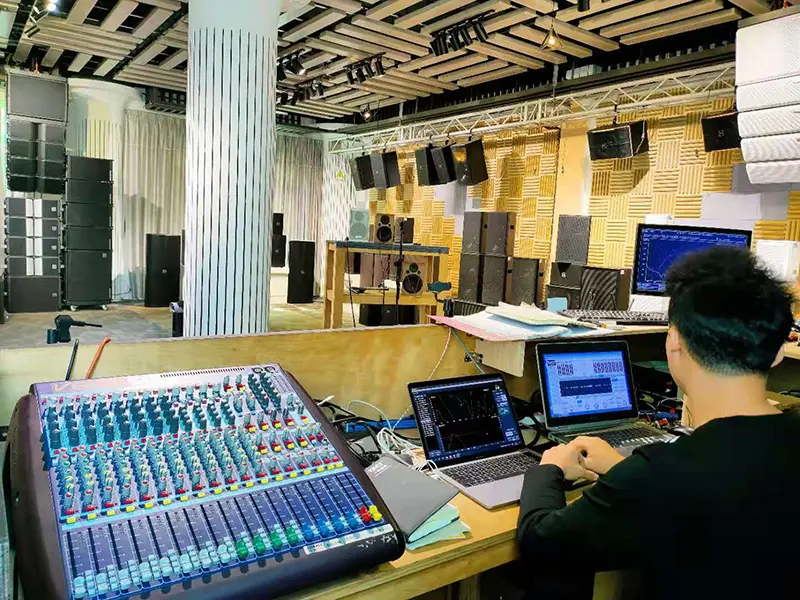
With anechoic chambers and calibrated MLSSA / SMAART measurement rigs, Mr. Qiu and Mr. Li guide an R&D department focused on mechanical feedback damping and custom crossovers. We engineer custom profiles that complement high-gain digital processors.
"Integrating premium materials such as high-rigidity CNC-milled Baltic birch cabinets with custom engineered compression drivers allows our systems to operate continuously at high SPL without structural distortion." — Mr. Li, Co-Founder & Principal Engineer
Established in 2010, TACT Pro Audio (originally registered as TACA Pro Audio) was founded by industry pioneers Mr. Qiu and Mr. Li. Both had been working as acoustic and electronics engineers in the professional audio sector since 1999. Decades of combined research in loudspeaker design and transducer physics paved the way for TACT to become a leader in high-performance sound reinforcement.
Today, our modern factory covers an area of more than 18,000 square meters. The complex features a speaker cabinet production workshop, polish workshop, painting workshop, assembly and testing workshop, and a modern office building. Within the office building, we host a comprehensive products showroom, a fully integrated KTV experience room, and our domestic & foreign sales departments to ensure a smooth, professional procurement experience.
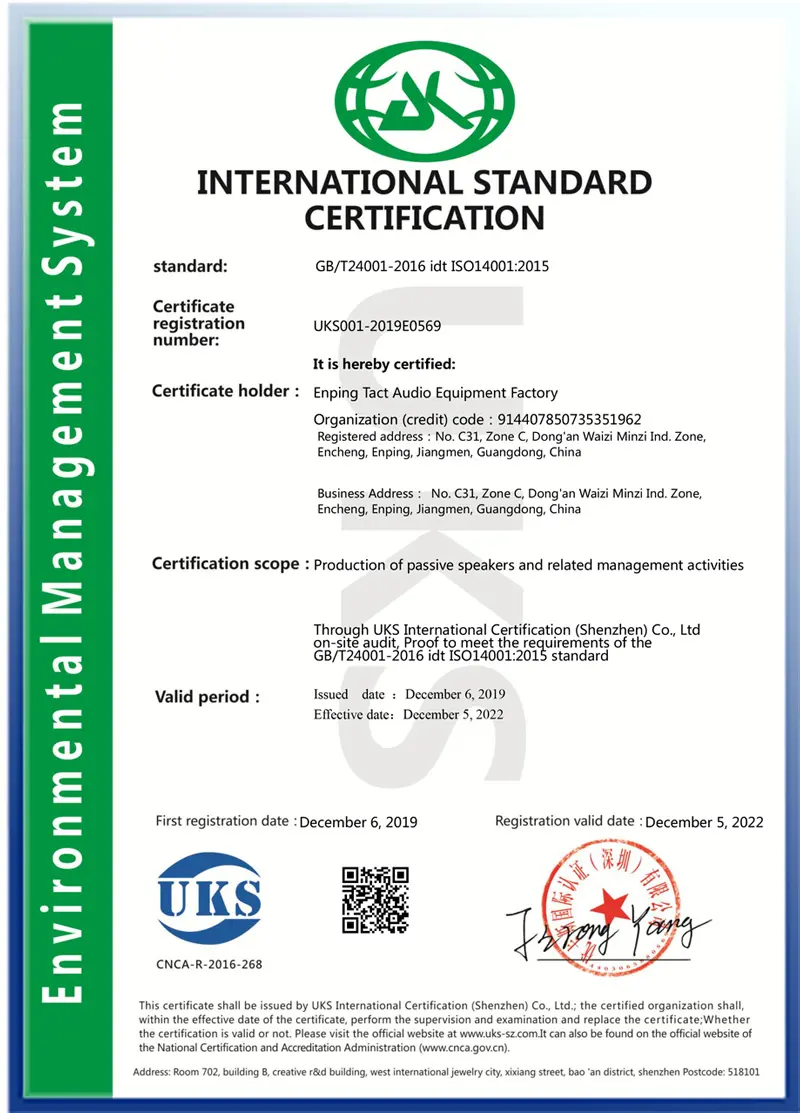
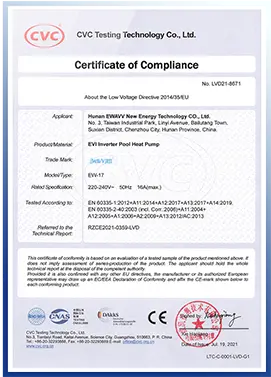
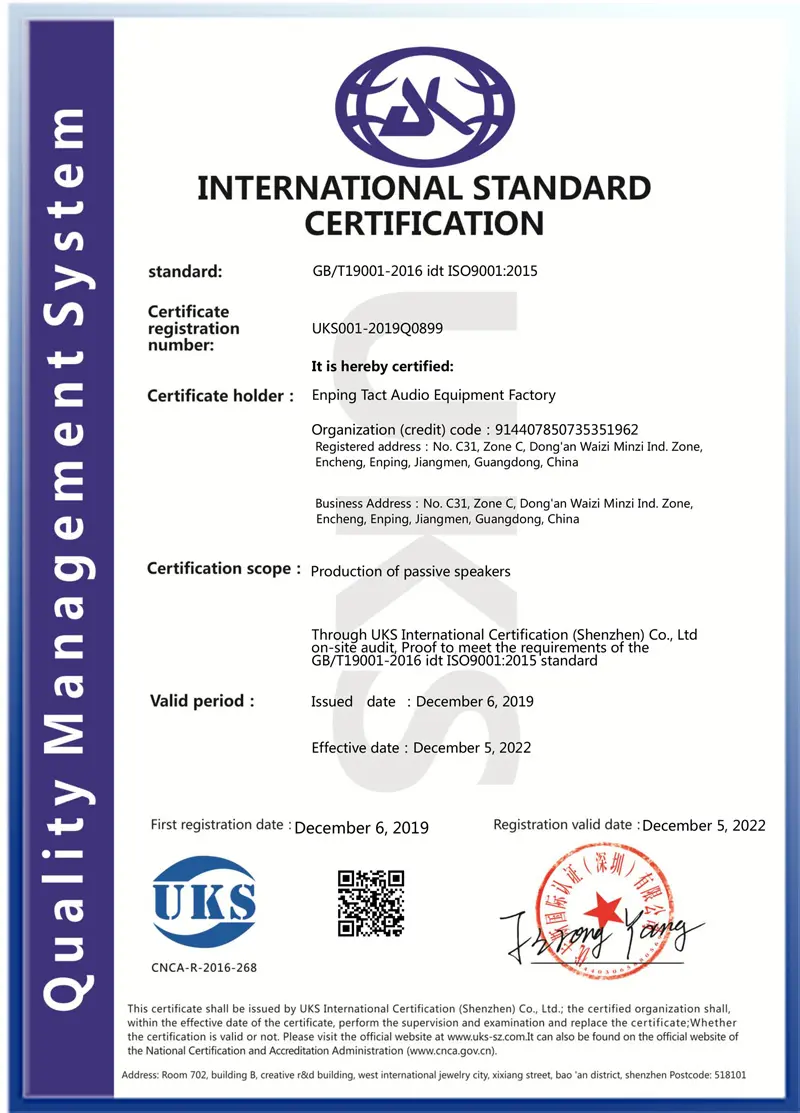
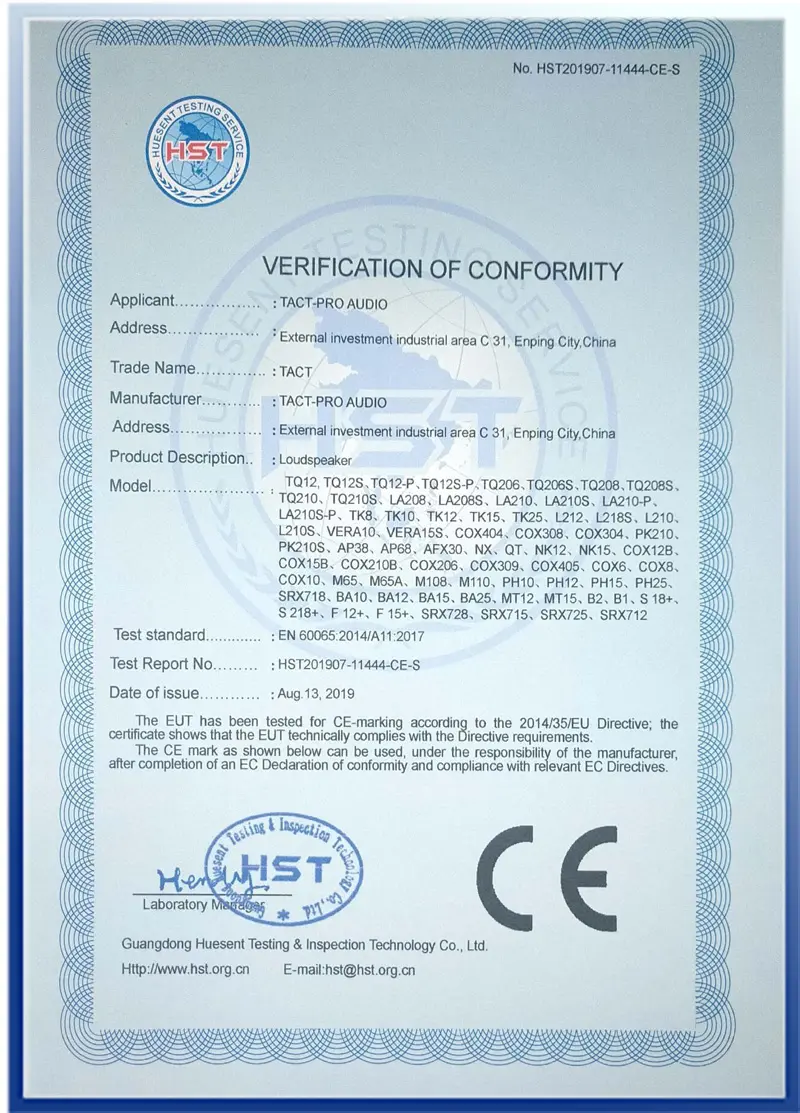
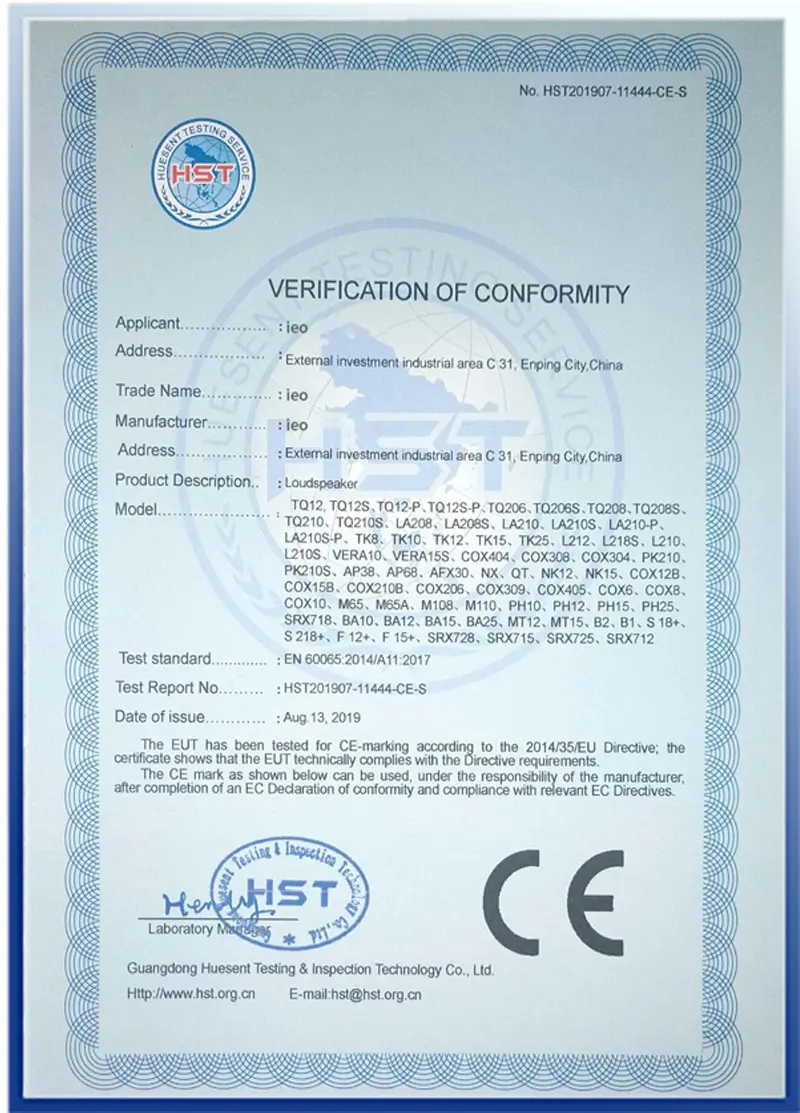
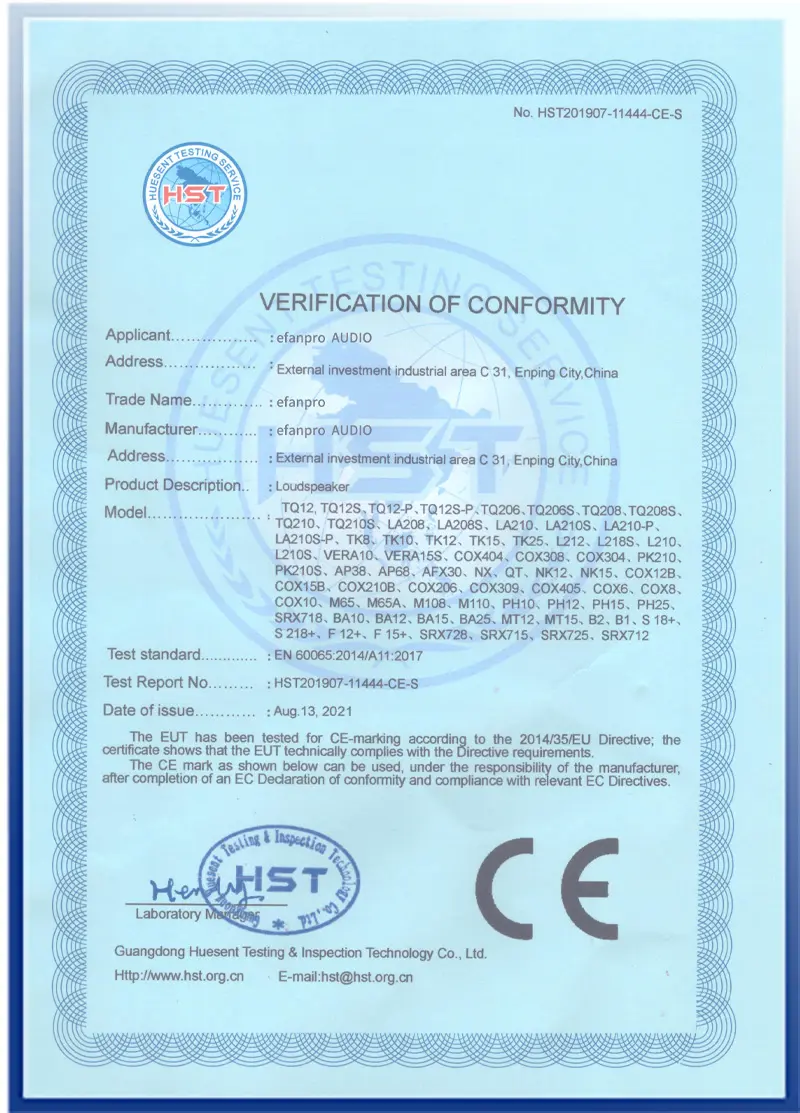
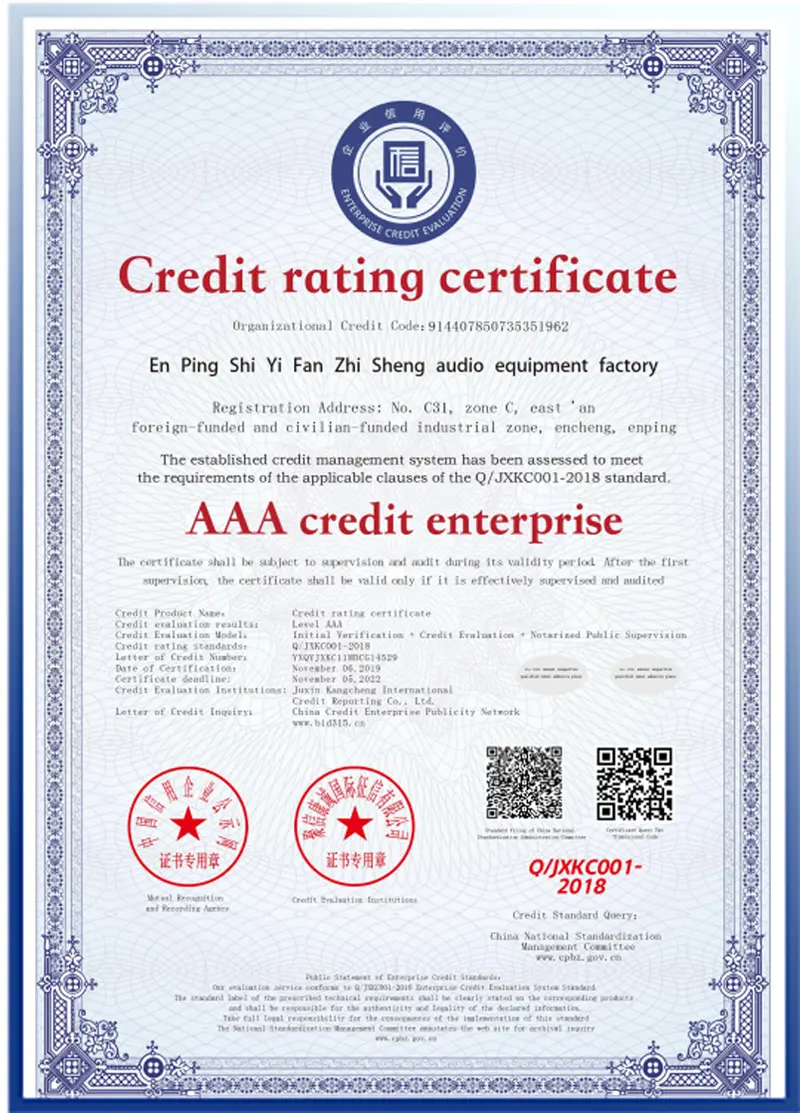
Our production protocols align with international guidelines. Below is the display of our core certifications, patents, and factory inspection records.
We tailor professional acoustic systems to suit distinct environmental acoustics, audience capacities, and project budgets.
Commercial karaoke operations require constant high-output durability combined with robust anti-howling properties. Because patrons hold microphones close to the speaker enclosures, the system loop gain peaks dramatically.
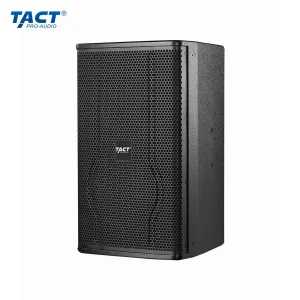
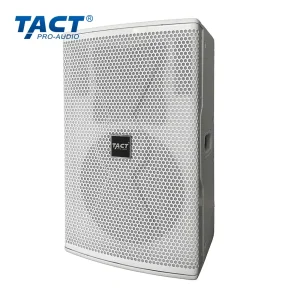
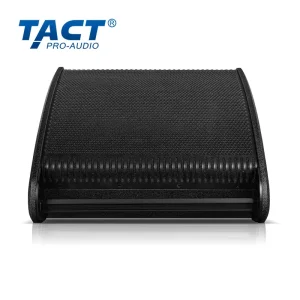
Our 10-inch and 12-inch active/passive speakers, paired with internal electronic protection limiters, guarantee long performance cycles. By integrating specialized low-pass frequency roll-offs and high-quality plywood casing to minimize resonance, we ensure clean vocals even during peak hours.
Larger architectural halls present high reverberation times, resulting in low speech intelligibility and feedback issues. Sound reinforcement setups require highly controlled directivity profiles.
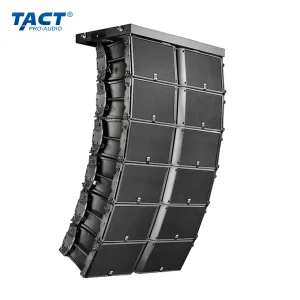
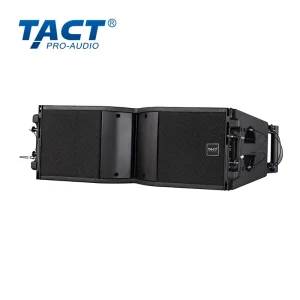
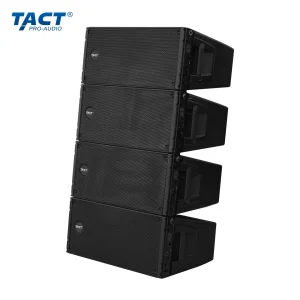
Our multi-functional 12-inch and 15-inch line array systems resolve these problems by utilizing line source coupling. By narrowing vertical sound dispersion and keeping energy off reflective ceilings, we keep audio aimed straight at the congregation for clear spoken word and musical presentation.
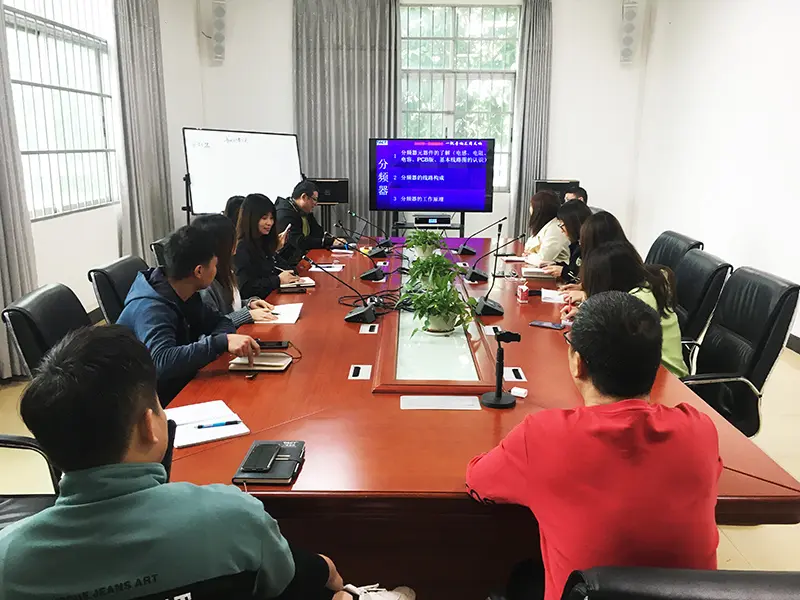
We support global audio distributors with extensive OEM & ODM services, including customized cabinet engineering, custom-voiced transducer selection, and pre-shipment QC sweeps. Beyond supplying raw speaker cabinets, we configure comprehensive project solutions that factor in the target venue, seating arrangement, listener numbers, and direct budget requirements.
Our products hold official CE certification and multiple structure design patents. We aim to help customers maximize performance by delivering advanced pre-sales and post-sales technical support for every project we supply.
To be the most valuable, service-oriented professional audio manufacturer and supplier in China. Driven by this ambition, our engineering teams push to remain at the leading edge of modern acoustic innovation, updating transducer manufacturing standards and digital crossover tuning options to keep pace with changing market expectations.
By integrating dynamic feedback suppression design with robust cabinet construction, we build speaker systems that stand up to commercial workloads. This guarantees long operational life and solid brand reliability for our international partners.
As digital signal processing advances, professional audio systems are shifting from passive protection to predictive correction.
Modern active speaker architectures now employ real-time DSP microcontrollers directly inside the amplifier module. By monitoring current drops and voice coil back-EMF, the system detects early acoustic feedback oscillations and introduces narrow notch filters or frequency-shifting processing before howling becomes audible.
Rather than relying on generic dispersion patterns, contemporary manufacturers design customized asymmetrical horns. These focus high-frequency outputs down toward the audience while narrowing wide horizontal scattering. This limits direct ceiling bounce and reduces the energy loop feeding back into high-sensitivity mics.
Cabinet resonance introduces unwanted noise that contributes to mid-range howling spikes. Modern paint facilities apply heavy-duty polyurea coatings over birch or MDF frames. This seals the wood from humidity while damping panel resonance to ensure accurate cabinet acoustics.
Common questions from engineering buyers and project leads regarding KTV speakers, howling suppression, and manufacturing specifications.
Feedback howling occurs when a microphone receives sound from a speaker, forms an acoustic loop, and amplifies the signal to excess. TACT speakers address this structurally. We design specialized crossover damping networks that suppress peak frequencies, and use asymmetrical horns to focus sound waves onto the audience. This minimizes direct acoustic reflections off hard walls and ceilings, preventing the feedback loop from starting.
Birch plywood features multi-layered, cross-bonded structural grain, providing much higher mechanical density than standard medium-density fiberboard (MDF). This prevents cabinet panel flexing and dampens parasitic acoustic vibrations, which can cause frequency spikes and feed back into microphones. Birch also delivers higher impact resistance for venues with high-volume, commercial use.
Yes. While we supply passive speaker configurations for rack-mount amplifiers, we also manufacture active speaker systems equipped with built-in Class-D power amplifiers and DSP control. These boards feature dynamic notch filtering, delay alignment, frequency-shifting, and phase correction algorithms to suppress feedback in real time.
Our OEM and ODM capabilities include custom cabinet design, custom woofer/tweeter configurations, modified horn coverage angles, custom-tuned passive crossovers, front grille design customizations, and private-label logo placement. We can also adapt the inputs and amplification parameters to meet regional power grid standards (110V/220V) and safety regulations.
Our quality testing protocol involves a three-step validation system. First, raw driver components undergo impedance and frequency sweep testing. Second, completed assemblies are analyzed in our test rooms using SMAART and MLSSA measurements to verify correct frequency and phase response. Finally, each speaker runs for 24 to 48 hours under high-load pink noise conditions to verify thermal and mechanical stability before packing.
 TACT Pro Audio