As the demand for high-quality sound continues to grow, pro audio speaker technology evolves rapidly. Industry reports indicate that the global pro audio market size is projected to reach $11 billion by 2026, reflecting an annual growth rate of 5.5%. This increasing interest highlights the importance of choosing the right pro audio speaker for various applications, from live performances to studio recordings.
When selecting a pro audio speaker, sound clarity, frequency response, and durability are essential factors. Different manufacturers offer unique features that cater to specific needs, such as portability for touring musicians or advanced connectivity options for studios. However, many users overlook crucial specifications, potentially leading to unsatisfactory results. It’s vital to assess how speaker placement and room acoustics can affect sound performance, as this often gets ignored.
Investing in a pro audio speaker requires careful consideration and research. While audio reviews can provide useful insights, they can sometimes lack objectivity. Personal preferences and listening environments significantly influence speaker performance. Understanding these nuances will empower you to make informed decisions. The right choice will not only enhance your sound experience but also elevate your overall production quality.
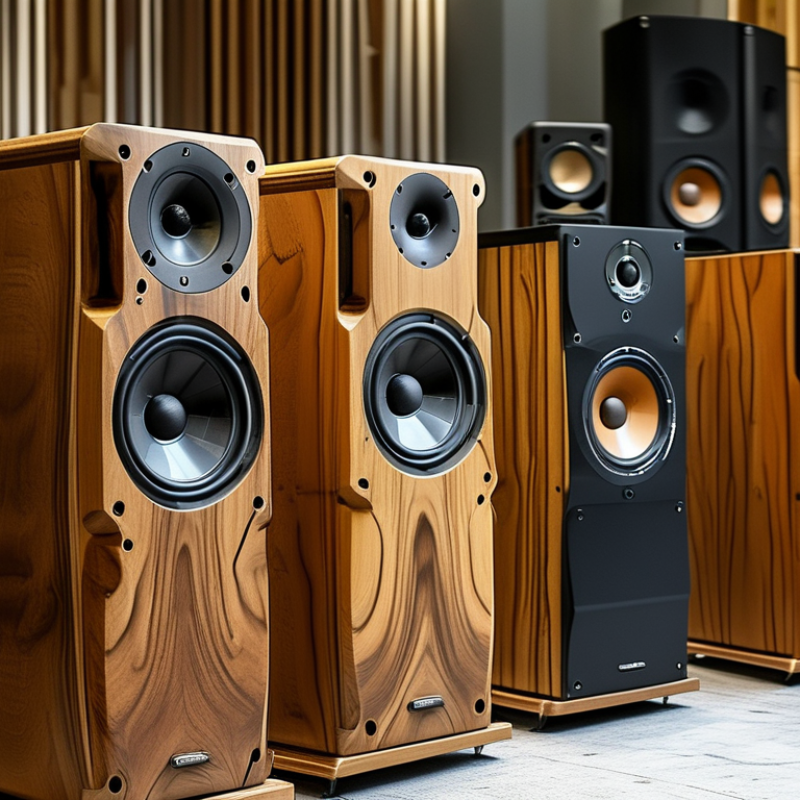
When searching for high-quality pro audio speakers, several key features matter most. Firstly, sound clarity is crucial. A speaker should deliver crisp highs, balanced mids, and deep lows. Studies show that 85% of audio professionals prioritize frequency response as a decisive factor in their buying decisions. A wide frequency range, typically around 20Hz to 20kHz, ensures that the speaker reproduces both bass and treble effectively.
Another essential aspect is power handling. Speakers should be able to handle high wattage without distortion. According to industry reports, speakers that can manage at least 300 watts are often preferred for live performances. This specification may influence the longevity and reliability of speakers under demanding conditions.
Lastly, durability cannot be overlooked. Pro audio speakers face the rigors of travel and setup in various environments. Many professionals report damage due to wear and tear. Investing in high-grade materials, such as reinforced cabinets and premium drivers, can mitigate these issues, extending the lifespan of the equipment. A respected analysis indicates that durability can enhance speaker lifespan by up to 50%, making it a pivotal consideration. Choosing wisely requires an understanding of these features and a willingness to reflect on long-term needs.
| Speaker Type | Power (Watts) | Frequency Response (Hz) | Weight (lbs) | Connectivity | Price Range (USD) |
|---|---|---|---|---|---|
| Active Monitor | 50 | 38 - 22,000 | 10 | XLR, TRS | 300 - 500 |
| Passive Speaker | 200 | 45 - 20,000 | 15 | None | 400 - 800 |
| Portable Speaker | 100 | 60 - 20,000 | 8 | Bluetooth, Aux | 150 - 400 |
| Line Array Speaker | 500 | 35 - 20,000 | 80 | XLR, Speakon | 1000 - 3000 |
: Active speakers have built-in amplifiers, while passive speakers need external amplifiers.
They appreciate the convenience and consistent sound that active speakers provide.
Passive speakers offer more flexibility and richer sound when set up correctly.
Assess your venue's requirements and expertise. Simple setups favor active speakers.
Higher-quality speakers usually deliver better clarity, avoiding distortion common in cheaper options.
Lightweight designs with easy connectivity options are highly valued by many audio professionals.
Not all brands guarantee quality. Some lesser-known models may provide excellent performance for less.
Yes, investing more initially can save you from frequent replacements and enhance overall satisfaction.
Focus on sound clarity, frequency response, and durability as key buying factors.
Accurate sound reproduction is essential; budget wisely to meet your audio performance needs.
The article "Top Pro Audio Speakers to Buy in 2026: What to Look For?" delves into the essential features and specifications that define high-quality Pro Audio Speakers. It emphasizes the importance of understanding the difference between active and passive speakers, which can significantly influence performance in professional settings. Key specifications such as frequency response, power handling, and connectivity options are crucial factors for consumers to consider during their purchase.
Moreover, the article discusses budgeting strategies, weighing the relationship between cost and quality to ensure an informed investment in Pro Audio Speakers. It also highlights prominent brands and models anticipated to dominate the market in 2026, guiding readers on their choices and helping them make sound decisions for their audio needs.

 TACT Pro Audio