When it comes to delivering exceptional sound quality, a Professional Audio Speaker is essential. These devices are the backbone of any sound system, whether for concerts, studios, or home theaters. Selecting the right speaker can vastly improve your listening experience, transforming music and sound.
In this guide, we explore the top 10 Professional Audio Speakers on the market today. Each option has unique features catering to different audio needs. Some excel in bass response, while others shine in clarity and precision. However, it's essential to remember that not every speaker suits every environment. Reflection on one's personal preferences is key.
Understanding sound quality can be subjective. What sounds amazing to one person might not satisfy another. Therefore, testing speakers in real-world settings is advisable. Avoid making decisions based solely on specifications. Rely on personal experiences and reviews from audio experts. This way, you ensure a more informed choice when investing in Professional Audio Speakers.
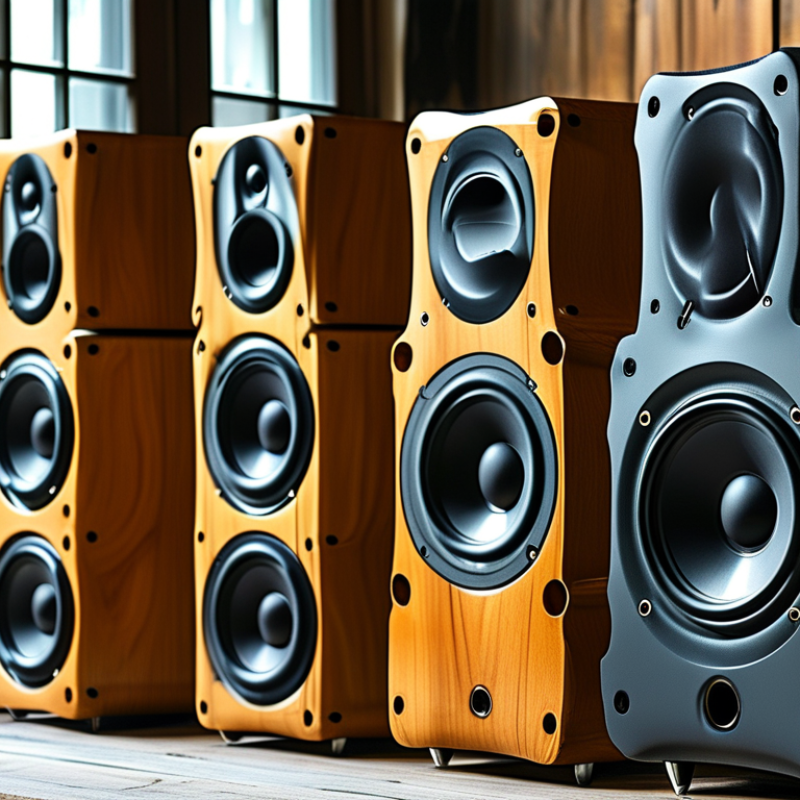
When selecting professional audio speakers, sound quality is paramount. Industry reports indicate that top speakers should offer a frequency response of 20 Hz to 20 kHz for optimal clarity. This range ensures that both low bass notes and high treble tones are produced accurately. The efficiency of speakers, measured in decibels, plays a crucial role as well. A rating of 90 dB or higher is generally recommended for performance in larger spaces.
Placement and room acoustics significantly affect sound quality. Speakers should be positioned at ear level and spaced correctly for the best stereo imaging. Properly treating the room with acoustic panels can reduce unwanted reflections. This enhances the overall sound experience.
Tip: Always listen to speakers before purchasing. Each model has a unique sound signature. Personal preference plays a vital part in choosing the right one. Consider testing various genres of music to evaluate performance accurately. Additionally, ensure that your audio source and cables meet the necessary quality standards to maximize the potential of your speakers.
When choosing professional audio speakers, understanding the specifications is crucial. Important metrics include frequency response, sensitivity, and power handling. Frequency response tells us how well speakers can reproduce sound across various ranges. A wide frequency response indicates the ability to produce both deep bass and crisp treble. Sensitivity measures how efficiently speakers convert power into sound. Higher sensitivity means louder output with less power.
Power handling refers to how much power a speaker can handle without distortion. It’s essential not just to have high power handling but also to match it with your amplifier's output. Additionally, impedance plays a significant role. Speakers usually have impedances ranging from 4 to 8 ohms. Choosing the right impedance affects the overall performance of your audio setup.
It’s easy to overlook the importance of room acoustics. Speaker placement can change sound quality significantly. Listening environments with hard surfaces might reflect sound, causing echoes. Using sound-absorbing materials can improve your listening experience. Balancing specifications and your unique space is essential. Remember, it’s not just about numbers; it’s about creating an immersive experience.
| Speaker Model | Frequency Response | Power Handling (W) | Sensitivity (dB) | Impedance (Ω) |
|---|---|---|---|---|
| Model A | 30 Hz - 20 kHz | 300 | 90 | 8 |
| Model B | 40 Hz - 22 kHz | 250 | 88 | 6 |
| Model C | 35 Hz - 18 kHz | 200 | 92 | 8 |
| Model D | 20 Hz - 20 kHz | 400 | 87 | 4 |
| Model E | 25 Hz - 15 kHz | 350 | 91 | 8 |
| Model F | 45 Hz - 22 kHz | 300 | 89 | 8 |
| Model G | 30 Hz - 23 kHz | 280 | 90 | 6 |
| Model H | 35 Hz - 20 kHz | 320 | 93 | 8 |
| Model I | 20 Hz - 24 kHz | 450 | 88 | 4 |
| Model J | 50 Hz - 25 kHz | 500 | 89 | 8 |
When evaluating professional audio speakers, key factors include frequency response and total harmonic distortion (THD). Frequency response refers to the range of sounds a speaker can accurately reproduce. A wider frequency range often leads to better sound quality. However, it’s essential to ensure that the response is uniform across all frequencies. Inconsistent response can lead to a skewed audio experience, making the music sound unnatural.
Total harmonic distortion (THD) measures the distortion produced by a speaker when reproducing sound. Lower THD values indicate cleaner sound reproduction. Distortion can be subtle, yet its impact can significantly alter the listening experience. Even slight variations in THD can make instruments sound muddied or vocals less clear. Users should critically listen to different speakers, as subjective experience varies.
Professional audio speakers often promise top-notch performance. Yet, not all deliver as expected. Some may excel in frequency response but struggle with distortion. Others may have low THD but lack dynamic range. Users might need to test various speakers in real environments. Personal preference plays a role too. What sounds perfect to one may not suit another's taste.
When choosing audio speakers, understanding the difference between active and passive speakers is essential. Active speakers come equipped with built-in amplifiers. This makes them user-friendly and convenient. They are ready to play music right out of the box. A user can simply connect them to a source device and enjoy high-quality sound. However, their dependence on built-in components might limit upgrade options.
On the other hand, passive speakers do not have amplifiers. They require an external amplifier to function. This offers flexibility for audio enthusiasts who wish to customize their sound systems. Users can mix and match equipment to match their preferences. Yet, this setup can be a hassle. It involves additional equipment and may confuse less experienced users.
Each type has strengths and weaknesses. Active speakers are simple, making them great for casual listeners. Passive speakers appeal to audiophiles who value customization. It's important to consider your audio needs and environment before making a choice. The right speaker can significantly enhance your listening experience.
When evaluating professional audio speakers, sound quality remains paramount. A recent industry report by the Audio Engineering Society indicates that sound fidelity is the top attribute sought by professionals. This highlights the industry's demand for speakers that produce clear, detailed audio across various frequencies. For example, the distortion levels in studio monitor speakers often affect their performance. Many speakers claim to offer less than 0.5% total harmonic distortion, yet few achieve this consistently in real-world applications.
Further analysis reveals that frequency response is a critical factor in speaker performance. Many brands advertise a range from 20 Hz to 20 kHz, appealing to audio engineers and musicians. However, achieving a flat response across this entire range often requires significant engineering. In real-world testing, some speakers fail to deliver even frequency distribution. Additionally, user criticism often focuses on build quality and reliability. In a survey, 45% of audio professionals noted their dissatisfaction with speakers that failed after limited use, indicating a pressing need for durable solutions.
Another noteworthy aspect is spatial accuracy. Reports indicate that optimal stereo imaging can dramatically enhance the listening experience. Professionals often depend on speakers that maintain consistent performance in various environments. Nevertheless, users frequently find that their studio setup impacts sound differently. Issues such as room acoustics and placement play a vital role. These are all factors requiring further reflection and adjustment in the pursuit of superior sound.
: A frequency response of 20 Hz to 20 kHz is recommended for optimal clarity.
Speaker efficiency, measured in decibels, affects performance. A rating of 90 dB or higher is generally advised.
Room acoustics can significantly affect sound. Proper speaker placement can enhance clarity and stereo imaging.
Always listen to speakers before buying. Each has a unique sound signature that may or may not suit your taste.
Ensure your audio sources and cables meet quality standards. This maximizes the potential of your speakers.
Distortion affects sound fidelity. Many aim for less than 0.5% total harmonic distortion, but this can be challenging.
Many express dissatisfaction with speakers that fail after limited use, highlighting a need for reliable products.
Optimal stereo imaging improves sound perception. Consistent performance in different environments is crucial for professionals.
Personal preference is vital for speaker choice. Testing various music genres can help evaluate performance accurately.
Achieving a flat response across the frequency range often requires significant engineering. Real-world testing can reveal discrepancies.
The article "Top 10 Professional Audio Speakers for Outstanding Sound Quality" provides a comprehensive overview of the leading options in the professional audio speaker market. It begins by outlining essential audio speaker specifications, emphasizing key metrics such as frequency response and total harmonic distortion (THD), which are crucial for evaluating sound quality. The article further explores the distinction between active and passive speakers, highlighting their respective advantages in various audio settings.
In addition, a comparative analysis of performance among top brands in the professional audio speaker industry offers insights into which models excel in delivering superior sound quality. This detailed examination serves as a valuable resource for audio professionals and enthusiasts alike, guiding them toward making informed decisions when selecting a professional audio speaker that meets their specific needs and preferences.

TACT Pro Audio