When it comes to audio equipment, understanding a Professional Loudspeaker is essential. These speakers deliver unmatched sound quality for live events and installations. Choosing the right loudspeaker can make or break a performance.
Many factors influence your decision. Sound performance, durability, and design are crucial. A reliable loudspeaker enhances clarity and power. It's important to consider specific needs. For instance, different environments require tailored solutions.
Mistakes can happen in this choice. Some may prioritize brand over sound quality. Others might overlook power handling capacity. Reflecting on your requirements is key. Relying solely on trends can lead to dissatisfaction. A well-chosen Professional Loudspeaker ensures unforgettable experiences, so take the time to choose wisely.
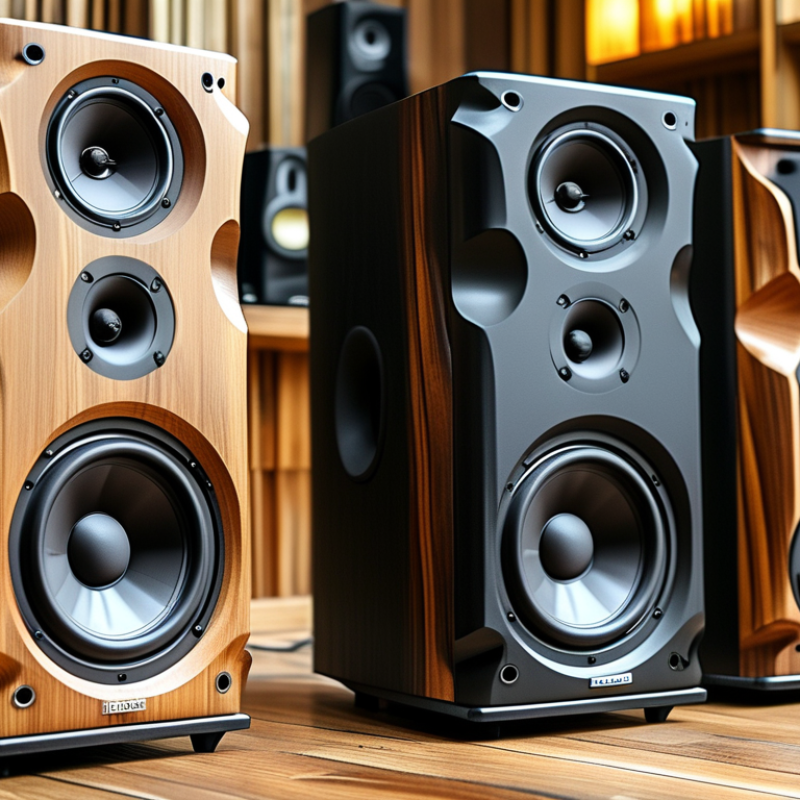
Professional loudspeakers are essential tools for concerts, events, and public speaking. Understanding their basics is crucial for making informed choices. These speakers often range from portable options to large-scale systems. Key specifications include frequency response, power handling, and sensitivity. Frequency response tells you how well a speaker reproduces sound. A wider range generally means better quality. According to industry reports, most professional speakers cover a range between 20 Hz to 20 kHz, which aligns with human hearing.
Power handling capacity is another vital aspect. It indicates the maximum power a speaker can handle without distortion. Finding a speaker with this capacity ensures it can perform well in different venues. Sensitivity measures how effectively a speaker converts power into sound. A higher sensitivity rating means louder sound with less power. Many professionals recommend a sensitivity above 90 dB for optimal sound performance.
Choosing the right loudspeaker can feel overwhelming. Many factors require careful consideration, such as intended use and venue size. You might find yourself questioning your choices, especially with new technology emerging frequently. The market is diverse, with options ranging from active to passive speakers. Ensure research backs your decisions. Reliable data from audio professionals can guide your selection process. Ultimately, understanding the essentials of loudspeakers can greatly enhance audio experiences.
| Dimension | Description | Typical Range |
|---|---|---|
| Frequency Response | Range of frequencies the speaker can reproduce. | 20 Hz - 20 kHz |
| Sensitivity | How efficiently a speaker converts power into sound. | 85 - 105 dB/W/m |
| Power Handling | Maximum amount of power a speaker can handle. | 100 - 2000 Watts |
| Impedance | Resistance a speaker offers to the current flow. | 4 - 16 Ohms |
| Enclosure Type | Design of speaker housing affects sound output. | Ported, Sealed, Horn-loaded |
| Weight | Affects portability and installation considerations. | 15 - 100 lbs |
When choosing a professional loudspeaker, it is vital to consider key features to ensure optimal performance. One primary aspect is the loudspeaker's frequency response. A frequency range of 20 Hz to 20 kHz is ideal for rich sound reproduction. According to a study by the Institute of Electrical and Electronics Engineers, over 75% of sound engineers agree that a flat frequency response is crucial for accurate sound mixing.
Another important feature to examine is the loudspeaker's power handling capabilities. This is measured in watts and indicates how much power the speaker can handle without distortion. For instance, loudspeakers with a power rating of at least 200 watts are often recommended for live settings, as they produce clearer sound in larger venues. Yet, power handling alone isn't enough; attention to the speaker’s sensitivity rating is equally essential. A higher sensitivity rating, around 90 dB or more, often means the speaker can produce more sound with less power.
Understanding cabinet design also plays a role in performance. Different shapes and materials impact sound quality. Ported cabinets can enhance bass response, yet may introduce unwanted resonance. In contrast, sealed cabinets offer tighter control over sound. Listening tests show that preferences vary, as some sound engineers may favor one type over the other, highlighting the importance of personal experience in the selection process. Each loudspeaker system offers unique elements, and optimizing sound quality often requires a thoughtful approach and some experimentation.
When selecting a professional loudspeaker, understanding the types available is essential. The market offers various loudspeakers, each designed for specific applications. For instance, point-source loudspeakers excel in compact settings, providing clear sound in venues like small theaters or corporate events. Their design minimizes sound dispersion, enhancing clarity. Conversely, line array speakers are popular in large-scale concerts. A 2022 industry report noted that about 30% of live events now utilize line arrays, thanks to their capacity to cover vast areas.
Another category is subwoofers, tailored for low-frequency reproduction. These speakers enrich music experiences in nightclubs and outdoor festivals. Their ability to produce deep bass significantly influences audience engagement. Industry data indicates that 68% of sound engineers prioritize low-frequency response in their setups, emphasizing the importance of subwoofers. Understanding these speaker types helps professionals tailor their audio solutions effectively.
However, what works well in one scenario may not suit another. For example, using a line array in a small venue could lead to sound issues, such as excessive reflections. Therefore, understanding each type's strengths and limitations is crucial. The choice of loudspeakers can significantly impact performance quality. Experts stress that thorough research and hands-on testing can help determine the best fit for your specific needs.
When selecting a professional loudspeaker, sound quality and performance are paramount. According to the 2022 Audio Quality Report by the International Sound Association, approximately 74% of audio professionals prioritize frequency response over other features. This means that a loudspeaker capable of delivering a flat frequency response will likely reproduce sound more accurately. This is critical for live sound applications where clarity can make or break a performance.
Understanding specifications is essential. Pay attention to the Total Harmonic Distortion (THD) rating. A lower THD percentage signifies cleaner sound reproduction. Ideally, look for speakers with a THD below 1%. Most high-quality models deliver under 0.5% distortion at nominal levels, ensuring the audio remains pristine, even at higher volumes.
Tip: Always test the speaker in real-life conditions. What sounds great in a store may not perform the same way in a venue.
Consider your venue size when choosing a loudspeaker. The 2021 Venue Acoustics Study suggests that for rooms larger than 500 square feet, a speaker with over 100 dB sensitivity is essential to fill the space effectively. Yet, understand how different environments can affect playback. Hard surfaces can enhance reflections, while carpeted areas may absorb sound.
Tip: Consult with an audio engineer to analyze your specific venue’s acoustics before purchasing loudspeakers. This can save you time and money in the long run.
Investing in professional loudspeakers can be daunting. Understanding how to budget effectively is crucial to your success. A well-thought-out plan can prevent costly mistakes. Start by determining your needs. What type of events will you use the speakers for? This affects the quality and power you require.
Consider creating a budget that allows for flexibility. Prices can vary significantly based on features and quality. Don’t be afraid to spend a little more for better performance. Sometimes, cheaper options lead to additional expenses in the long run. Evaluate your priorities wisely. For example, sound clarity may be more important than bass depth for your events.
Tips for budgeting include researching various options online. Read reviews and expert opinions before making purchases. It’s wise to visit stores if possible. Testing speakers helps you understand their sound quality. Prioritize features that matter, like durability and portability. Always factor in potential additional costs, like cables or stands. This can provide a more accurate reflection of your total investment.
: They are essential for concerts, events, and public speaking.
It is crucial for sound quality. A wider range means better reproduction.
It shows the maximum power a speaker can handle without distortion.
A higher sensitivity rating means louder sound with less power required.
Options include point-source speakers, line arrays, and subwoofers.
A well-planned budget can prevent costly mistakes in quality and features.
Evaluate your event needs and prioritize sound clarity over bass depth if needed.
It helps you understand their sound quality and fit for your needs.
Factor in cables, stands, and other accessories for a complete investment view.
It may lead to sound issues, such as excessive reflections in an unsuitable venue.
A professional loudspeaker is an essential component in audio production and live sound reinforcement, designed to deliver high-quality sound across various settings. Understanding the basics involves recognizing the key features to consider, such as power handling, frequency response, and dispersion patterns. Different types of professional loudspeakers, including passive and active models, serve distinct applications ranging from concert venues to studio environments.
When choosing a professional loudspeaker, it's crucial to evaluate sound quality and performance by considering factors like clarity, volume, and tonal balance. Budgeting wisely is also important, as a well-chosen loudspeaker represents a significant investment in achieving optimal audio results. Following these guidelines will help individuals and organizations make informed decisions, ensuring the loudspeakers effectively meet their audio needs and budget constraints.

TACT Pro Audio