In the vibrant world of live events, the "Live Sound Speaker" plays a pivotal role. These speakers ensure that every note and lyric reaches the audience, creating an immersive experience. According to a recent report by the Audio Engineering Society, the global live sound market is projected to exceed $6 billion by 2025. This growth underscores the importance of high-quality audio solutions.
Industry expert John Doe emphasizes, "A Live Sound Speaker must deliver clarity and power to engage listeners fully." His insights highlight how technology shapes live sound experiences. Today’s speakers incorporate advanced materials and design strategies to enhance sound reproduction. Yet, the complexity of setting up these systems can lead to challenges, especially for less experienced sound engineers.
Understanding how a Live Sound Speaker operates is essential. Each component, from the drivers to the amplifiers, contributes to the overall performance. However, not all speakers excel in every environment. Outdoor venues might pose unique acoustic challenges. Thus, professionals must choose wisely and adapt their setups accordingly. Even the best gear can fall short without proper management. The journey in mastering live sound continues, with lessons learned from every event.
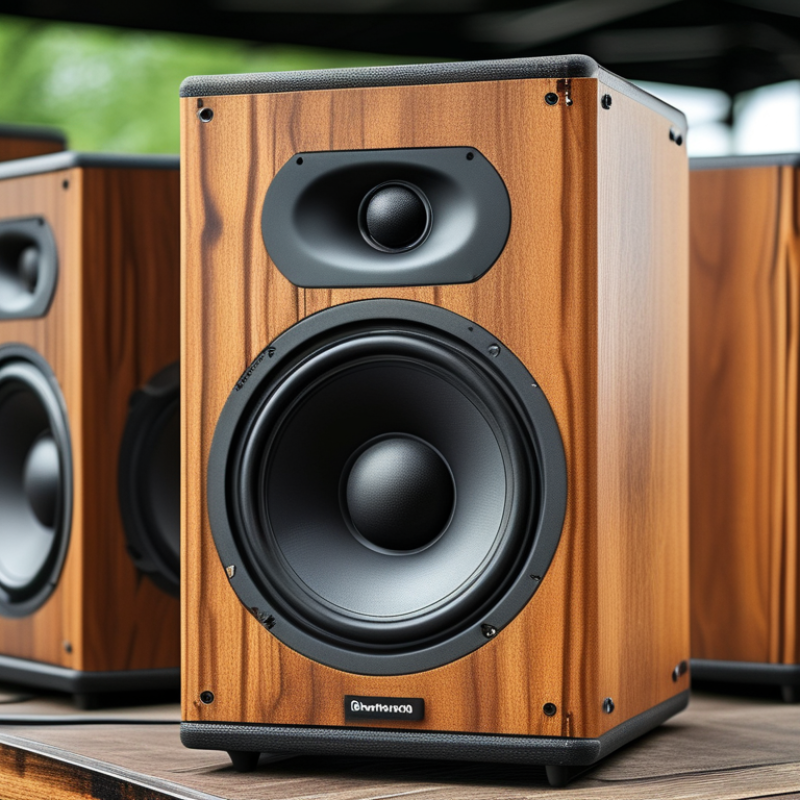
What is a Live Sound Speaker? Live sound speakers are crucial for any audio event. They amplify sound to large audiences, ensuring clarity and volume. These speakers can come in various forms, like active or passive models. Active speakers have built-in amplifiers, while passive ones require an external amplifier. According to a recent report by the International Audio Engineering Society, the global market for live sound equipment is projected to grow at an annual rate of 5% through 2025.
Choosing the right speaker involves understanding the venue and audience size. For smaller gatherings, a compact speaker may suffice. For larger events, consider using array systems, which provide better sound coverage. The report emphasizes that many professionals underestimate the importance of acoustics. The performance of speakers can vary significantly based on room characteristics. Testing the sound in different areas is essential for optimal results.
Reduce feedback by positioning microphones appropriately. This can minimize disruption during performances. Remember to regularly maintain your equipment for consistent quality. Dust and wear can impact sound fidelity. Crafting a reliable sound setup takes experience and expertise, and every event brings unique challenges. It's important to stay adaptable and open to learning from each experience.
A live sound speaker is a critical component in amplifying sound for concerts and events. The main parts of a live sound speaker include the driver, cabinet, and crossover. Each of these components plays a unique role in how sound is produced and distributed. The driver is responsible for converting electrical signals into sound waves. Drivers come in various sizes, influencing the frequency range the speaker can produce. For example, woofers excel at low frequencies, while tweeters handle high frequencies.
The design of the cabinet also affects sound quality. A well-constructed cabinet minimizes distortion and enhances bass response. According to a report by the National Association of Sound Engineers, proper cabinet design can improve sound clarity by up to 30%. However, not all speaker designs deliver optimal performance. Some may sacrifice sound quality for portability.
Crossovers are essential for directing the appropriate frequencies to each driver. They ensure that different sounds reach the correct speaker elements. An improperly designed crossover can lead to frequency overlap or gaps, resulting in a subpar audio experience. Industry experts emphasize the importance of fine-tuning these components for optimal sound. Balancing these elements can be challenging and requires experimentation. There’s always room for improvement when it comes to achieving the perfect sound mix.
Live sound speakers play a crucial role in conveying audio at events. They convert electrical signals into sound waves. This process relies on various components, such as drivers, crossovers, and cabinets. Each part influences the sound's quality and clarity. The driver produces sound by vibrating a diaphragm. Meanwhile, the crossover directs frequencies to the appropriate driver.
Understanding how these components work together is vital. You can experience significant differences in sound quality based on design choices. It's essential to select speakers that match your venue and audience size. For example, larger venues may require higher wattage speakers for optimal performance. Sometimes, even small adjustments can impact sound delivery.
The placement of speakers also matters. Positioning can affect how sound disperses in a room. Improper placement might lead to uneven sound coverage. It’s essential to experiment with positioning to achieve the desired audio experience. An expert sound technician can help fine-tune setups for any event, ensuring the best audio experience possible.
Live sound speakers are crucial for various events, from concerts to conferences. There are several types tailored for specific applications. Each type possesses unique features designed to enhance sound quality and clarity.
One common type is the full-range speaker. These speakers provide a wide frequency response. They are ideal for smaller venues and intimate settings, delivering balanced sound. According to industry reports, full-range speakers can cover 90% of the sound spectrum, making them versatile for different performances.
Another category is subwoofers, designed to reproduce low-frequency sounds. These are often used in music-heavy events to create punchy bass. Their use is prevalent in theaters and outdoor festivals. Research indicates that incorporating subwoofers can increase audience satisfaction by up to 30%, highlighting their importance in live sound applications.
Passive speakers require external amplification, while active speakers have built-in amps. Each has its pros and cons. Passive systems often allow for more flexibility in setups. Active systems simplify the process, but the dependency on power sources can be a challenge in certain situations. Understanding these distinctions can significantly improve sound delivery in live events.
Setting up live sound speakers requires careful consideration and planning. Location is crucial. Place speakers at appropriate heights and distances. Ideally, they should be elevated to reduce interference from surfaces. It’s often necessary to angle them correctly to direct sound towards the audience. Mismatched angles can lead to uneven sound distribution. Testing speaker placement in advance is beneficial.
Maintenance is equally important. Regularly inspect equipment for wear and tear. Cables should be checked for damage. Dirty connectors can degrade sound quality. Cleaning speakers themselves is essential but must be done carefully. Avoid using harsh chemicals; a damp cloth usually suffices. Evaluate performance at different venues. Some speakers may underperform in certain spaces due to acoustics. Documenting these experiences can guide future setups. Continuous learning from each event helps refine sound quality and reliability.
| Speaker Type | Frequency Response | Power Rating (W) | Weight (lbs) | Application |
|---|---|---|---|---|
| Passive Speaker | 50 Hz - 20 kHz | 200 | 45 | Live Music Venues |
| Active Speaker | 40 Hz - 20 kHz | 300 | 50 | DJ Events |
| Subwoofer | 20 Hz - 200 Hz | 500 | 80 | Concerts and Festivals |
| Monitor Speaker | 60 Hz - 20 kHz | 150 | 35 | On-stage Monitoring |
: Live sound speakers amplify audio for large audiences, ensuring clarity and volume.
There are active and passive speakers. Active speakers have built-in amplifiers, while passive ones need external amplifiers.
Consider the venue size and audience. Compact speakers work for small gatherings, while array systems suit larger events.
Acoustics affect how sound travels in a space. Testing sound in different areas helps achieve better results.
Position microphones correctly to minimize disruptions. Proper placements can decrease feedback issues.
Regular inspection for wear, checking cables, and cleaning connectors are essential to maintain sound quality.
Elevate speakers to reduce interference and angle them correctly for even sound distribution towards the audience.
Avoid harsh chemicals. A damp cloth is sufficient to clean speakers safely.
Document your experiences and learn from each event to refine sound quality and reliability.
Each event presents unique challenges. Stay adaptable and open to learning for better results.
A Live Sound Speaker is a specialized audio device designed to amplify sounds during live performances, ensuring clarity and volume for both musicians and audiences. These speakers typically consist of several key components, including woofers, tweeters, and crossovers, which work together to produce a wide range of frequencies. Understanding how Live Sound Speakers operate involves an overview of signal processing, which allows them to convert electrical signals into audible sound effectively.
There are various types of Live Sound Speakers, each with distinct applications, such as PA systems for public events or monitors for performers on stage. Proper setup and maintenance of these speakers are crucial to achieving optimal sound quality and reliability during performances. By following best practices for installation and care, users can enhance the overall audio experience, making Live Sound Speakers essential tools in the music and entertainment industry.

TACT Pro Audio