In the world of event management, a Professional Sound System is crucial. Recent studies indicate that 78% of event attendees remember sound quality over other aspects. This underlines the significance of investing in a high-quality sound system. According to audio engineer John Smith, “A professional sound system can transform an event from ordinary to unforgettable.” This expertise highlights the necessity of professional equipment in ensuring a seamless experience.
Noise disruptions can ruin the atmosphere. Events lacking clarity can leave audiences disengaged. For example, concerts and conferences thrive on perfect sound delivery. The difference can determine whether an audience connects or drifts away. Investing in a Professional Sound System guarantees clear audio and robust performance, enhancing attendee engagement.
Many organizers overlook the importance of high-quality sound equipment. The result? A frustrating experience for both speakers and attendees. The industry is evolving, and reliable sound solutions are essential to keep pace. When planning your next event, remember: sound quality matters more than you think.
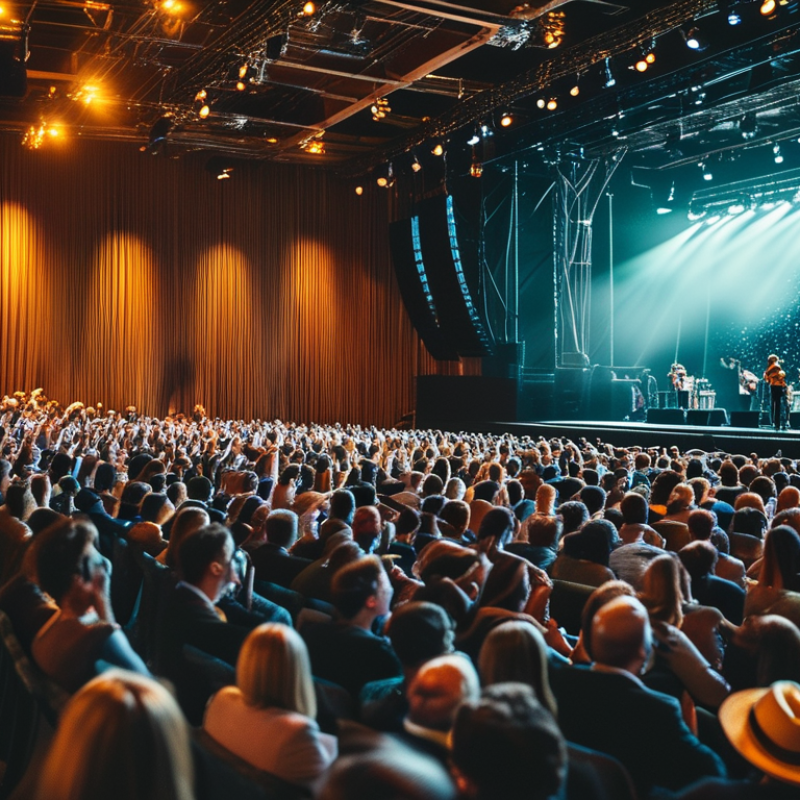
A professional sound system can transform your event experience. It enhances audio quality, ensuring every word and note is clear. A crisp sound keeps your audience engaged. The right system adapts to various venues, from conference halls to outdoor spaces.
Consider the type of event you’re hosting. Different events require different setups. A concert needs powerful speakers, while a corporate meeting benefits from clarity in dialogue. Always check the venue's acoustics. A good sound system compensates for challenging environments.
Here are some tips when choosing a sound system:
Reliability is key. It’s important to have backup options ready. Unexpected technical issues can ruin an event. Create a checklist and work with professionals to confirm every detail. Planning ahead aids in smooth execution and a memorable experience for all attendees.
Choosing the right sound system for your event is crucial. Sound clarity impacts guest experience significantly. When considering options, clarity of sound is a top factor. Guests need to hear speakers without distortion. A professional system ensures that every word is understood, regardless of the venue size.
Next, think about the venue's layout. An open area may require powerful speakers, while a smaller space might need fewer units. Take note of the room's acoustics. A space with hard surfaces may produce echoes. Portability is another aspect to evaluate. Systems need to be easy to set up and take down within a limited time.
Lastly, consider your specific needs. Will there be live performances or just speeches? Each situation requires different equipment. Reflect on the feedback from past events. What worked well? What didn’t? Understanding these elements can lead to better choices. Prioritizing user feedback helps in selecting the ideal sound system for future events.
When planning an event, sound quality is critical. The difference between professional and consumer sound equipment can significantly impact the experience. Professional sound systems offer better clarity and coverage. They are designed for larger venues and varied acoustics, ensuring everyone hears the same.
Consumer equipment often lacks the power and features needed for big events. It may distort at higher volumes or fail to fill a space effectively. Small speakers can limit sound quality. Think about where you place equipment at your event. Poor positioning can lead to dead zones where the sound isn't even heard.
Tips: Use a professional sound engineer to set up your system. Their expertise can prevent issues. Always test the sound before guests arrive. This allows for adjustments and prevents surprises. Remember, your audience's experience hinges on sound quality. Investing in a professional system can make all the difference.
When planning an event, sound quality is critical. Many organizers overlook the importance of choosing a professional sound system. A survey by Eventbrite revealed that 56% of event attendees rank sound quality as their top priority for a successful experience. Unfortunately, poor audio can overshadow even the most well-planned event.
Common mistakes include underestimating the venue's acoustics. A small room with high ceilings can create echoes. This can distort clarity and lead to a frustrating experience. Additionally, failing to conduct a sound check is another frequent oversight. A report from the Audio Engineering Society highlights that 70% of sound problems can be avoided with proper testing beforehand. Inadequate speaker placement is yet another concern. Speakers positioned too far from the audience can lead to uneven sound distribution.
Moreover, many event planners forget to consider audience size. For example, a system that suits 50 people might not suffice for 200. Ignoring this detail can leave some guests straining to hear. Balancing professionalism with practicality is essential, as the auditory experience shapes attendees' perceptions.
| Dimension | Details |
|---|---|
| Audio Quality | Professional systems ensure clear and balanced sound. |
| Setup Complexity | Hiring professionals reduces the complexity of setup and guarantees optimal placement. |
| Equipment Quality | Professionals use high-quality, reliable equipment designed for various venues. |
| Sound Expertise | Sound engineers have the knowledge to troubleshoot and adapt to changing conditions. |
| Common Mistakes | Neglecting microphone quality, improper speaker placement, and ignoring venue acoustics are frequent mistakes. |
| Budget Considerations | Investing in a good sound system can minimize long-term costs associated with poor audio experiences. |
| Audience Engagement | Professional sound systems enhance audience experience and engagement through high-quality audio. |
When planning an event, sound quality is often overlooked. Yet, it plays a crucial role in the audience's experience. To ensure optimal sound, start by choosing the right venue. Space shape and materials affect sound clarity. A hall with hard floors may create echoes. A carpeted venue can absorb sound. Consider acoustics carefully.
Next, invest in quality microphones and speakers. Wireless options give flexibility, while wired systems often provide stability. Test equipment before the event. This helps to identify issues that could arise. Sound checks reveal problems that can be fixed early. Rely on experienced audio technicians for setup. Their expertise ensures professionalism.
Finally, monitor sound levels throughout the event. Use a sound engineer to adjust levels in real-time. This can address audience feedback promptly. Sometimes, speakers may need adjusting due to audience movement. Prepare to adapt if unforeseen issues arise. It's essential to stay vigilant and responsive. Perfect sound is not always achievable, but striving for it greatly enhances the event experience.
: Sound quality significantly impacts attendee experience. Poor audio can overshadow well-planned events.
Different venues require tailored setups. Outdoor spaces need powerful speakers, while smaller rooms may need fewer units.
Conduct a sound check to avoid issues. Most sound problems can be prevented with proper testing beforehand.
Evaluate the layout and surfaces. High ceilings or hard surfaces can cause echoes that distort sound clarity.
Planners often underestimate venue acoustics and ignore audience size, leading to frustration among attendees.
Experienced technicians can quickly troubleshoot issues. Their presence enhances sound reliability and overall event success.
Reflect on what worked well and what didn’t. User feedback guides better choices for sound system selection.
Systems should be easy to set up and dismantle quickly. This ensures smooth transitions between different event phases.
Choosing a Professional Sound System for events is essential for ensuring high-quality audio that enhances the overall experience for attendees. Professional sound systems offer numerous benefits, including superior sound clarity, reliability, and a professional setup that is crucial for various event settings. When selecting a sound system, it’s important to consider factors such as the venue size, audience capacity, and specific audio needs to ensure the system delivers optimal performance.
Additionally, understanding the differences between professional and consumer sound equipment can help in making an informed decision. Common mistakes often involve underestimating equipment requirements or overlooking sound quality, which can significantly impact an event. To achieve the best results, it is advisable to follow tips that ensure optimal sound quality, such as proper placement of speakers and regular testing before the event begins. Overall, investing in a Professional Sound System is vital for hosting successful and memorable events.

TACT Pro Audio